How Fast Can Fire Spread?
What Is Fire?
Fire is the result of a chemical reaction called oxidation. Oxidation is the combination of oxygen with another substance. In the case of a fire, the oxidation happens so quickly that light, heat, and sound are released.
A fire needs oxygen, heat and fuel to burn. These factors are frequently referred to as the “fire triangle.” The chemical reaction is the fourth element, which is the fire itself.
Fire Fuel
A fire can be fueled by many things, especially items in homes and businesses. Today’s furnishings are made primarily of synthetic materials which are highly combustible. Paints, cleaners, magazines, newspapers, paper, clothing, window treatments, wood moldings, and trim are all combustible. Some of the most flammable liquids commonly kept in the home include rubbing alcohol, nail polish remover, aerosol cans, non-dairy creamer, and gasoline. Items like this make it easy for a fire to spread once started.
Open spaces also allow fires to spread quickly, particularly areas like the ductwork for central heating or air conditioning.
Fire Spread Rate
In just two minutes, a fire can become life-threatening. In five minutes, a residence can become engulfed in flames.
These are the sobering statistics regarding house fires displayed by Ready.gov, the official website of the Department of Homeland Security. Ready.gov and The National Fire Protection Agency (NFPA stress the importance of having an up-to-date fire escape plan, as well as working smoke alarms in homes and businesses. The NFPA also suggests installing fire sprinklers when building or remodeling homes. Sprinklers can be key in containing and even extinguishing a fire before the fire department arrives on scene.
Putting Out Fires
To put out a fire, you must remove one of the three elements of the fire triangle: oxygen, heat, or fuel. Fire extinguishers essentially put fires out by taking away one or more of these elements.
Because fire spreads so quickly, the NFPA says that the number one priority for people during a fire is to get out. Yes, fire extinguishers can put out a fire confined in a small area, but they have limitations and they will not work in every situation. Additionally, many civilians do not know how to operate a fire extinguisher properly.
You may think that filling a bucket full of water is a good way to douse the flames, but that will not always work. For example, the oxygen source for flammable liquids like oil, alcohol, gasoline, paint, or propane must be removed to put out a fire. A stream of water may spread the flaming material rather than neutralize it.
How to Prevent Fires
The best way to protect yourself and your family is to test your smoke detectors and fire alarms regularly and create a safety plan for your home and office. No matter where you are in a building, always know where the nearest exits are and how you can exit a multi-floor building safely. You should also always know where the areas of refuge are located in multi-story buildings.
Fires can occur suddenly and without warning, and they can spread incredibly quickly. Every second counts so plan at least two ways out.
FSS Technologies specializes in residential and small business fire alarms as part of your total security system solution, as well as the design and installation of complete life safety systems in large commercial properties.
Explore Our Other Blogs
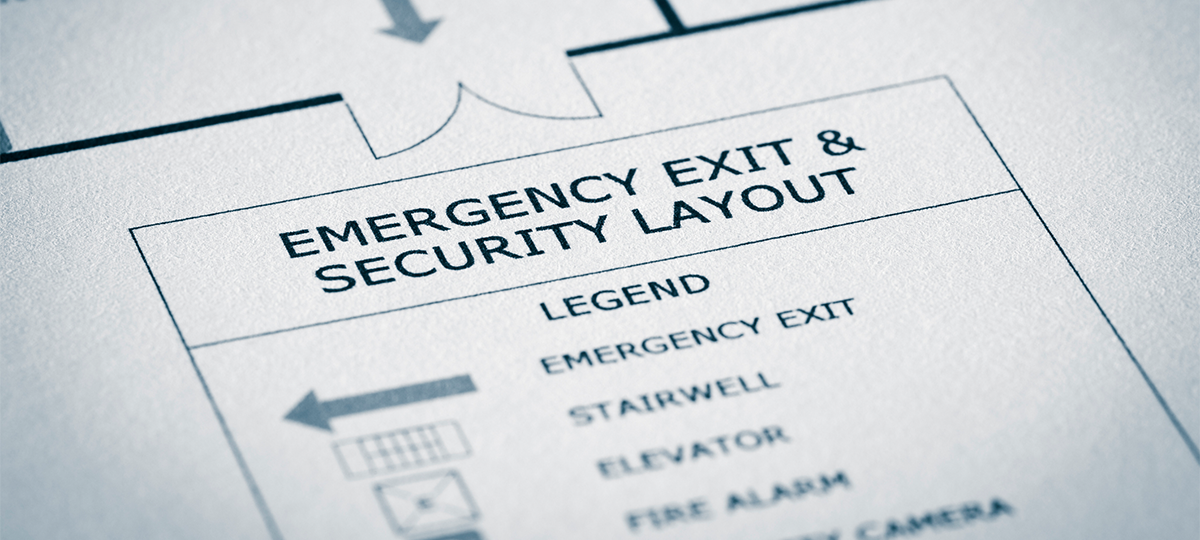
Emergency Egress 101 for Commercial Buildings
When people think about emergency egress, they usually picture exit signs and the nearest door. In reality, egress is the entire route occupants rely on to get out quickly and safely—often under heightened stress, reduced visibility, and crowded conditions. When a means of egress isn’t clear or usable, even a minor emergency can turn into…

What to Do If a Package Is Stolen
According to a recent study, nearly one in four people report being a victim of package theft and nearly half know someone who has had a package stolen. Of course, the uptick in package theft is not that surprising, considering consumers purchased $2.86 trillion in online retail goods in& 2018. Many of these items land squarely in…

Where Should Window and Motion Sensors be Placed?
Motion and window sensors are basic parts of a security system in both residential and business applications. The expert security team at FSS Technologies has helped thousands of business and property owners stay safe with these tools. Sensors A motion sensor allows a system to detect movement, using waves or light to determine if someone or…
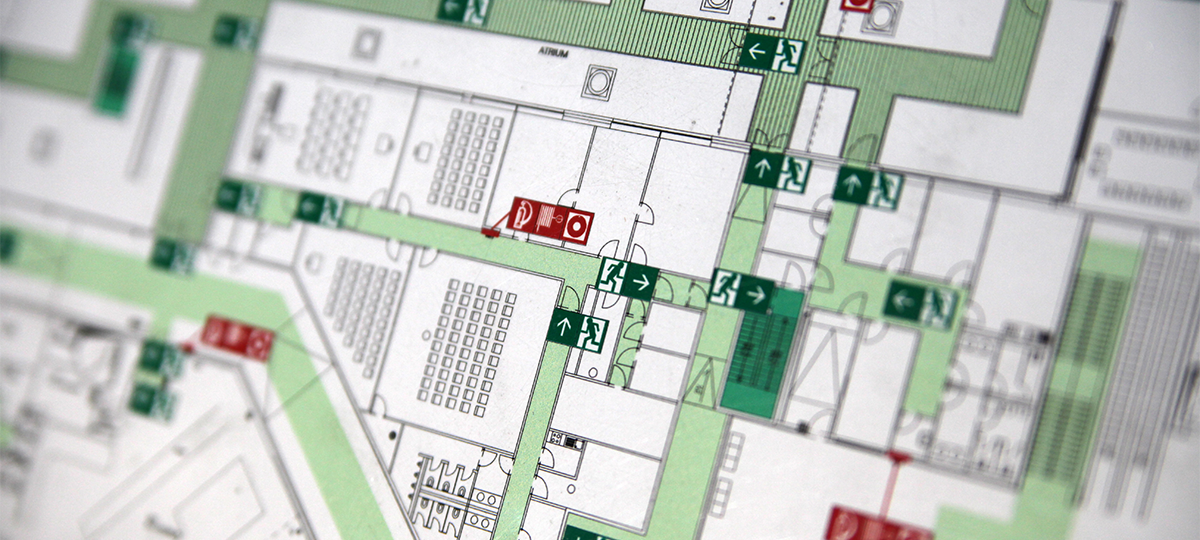
7 NFPA Codes Every Business Should Know
Business owners have an enormous responsibility to ensure their employees and customers are protected from fire hazards. Companies in industries like manufacturing and property management each face unique challenges in preventing fires and meeting code requirements. The National Fire Protection Association (NFPA), one of the world’s leading experts in fire and life safety, has published…

DIY Home Security Cameras
DIY Security Systems Are the New Fad There are many pre-configured, DIY home security system kits on the market. They are sold under various brand names including Ring, Nest, SimpliSafe, and others. The basic idea of a DIY home security system is that you pay one low fee to purchase all of the equipment and…

Best Small Business Security Systems
While no two small businesses are the same, they share commonalities when it comes to what they want in a security system. Most small business owners want to do three things: Protect their people, property, and assets from fire Protect their people, property, and assets from theft See what is happening in their business even…

The 3 Key Differences in Residential vs. Business Security Explained
What is the difference between a commercial and a residential security system? Commercial real estate is a property type that is only for business or retail purposes. Residential real estate is a property type specifically designed for living purposes, if it is four units or less– anything larger than that is considered a commercial property….

Do You Know How Your Alarm System Communicates?
What is alarm monitoring? One of the most sought-after features for residential and commercial security systems is 24/7 alarm monitoring. Monitored security systems are connected to a central monitoring facility with staff who review tripped alarms, verify emergencies, and contact relevant emergency services. Monitors generally reach at least two phone numbers connected to a residence…
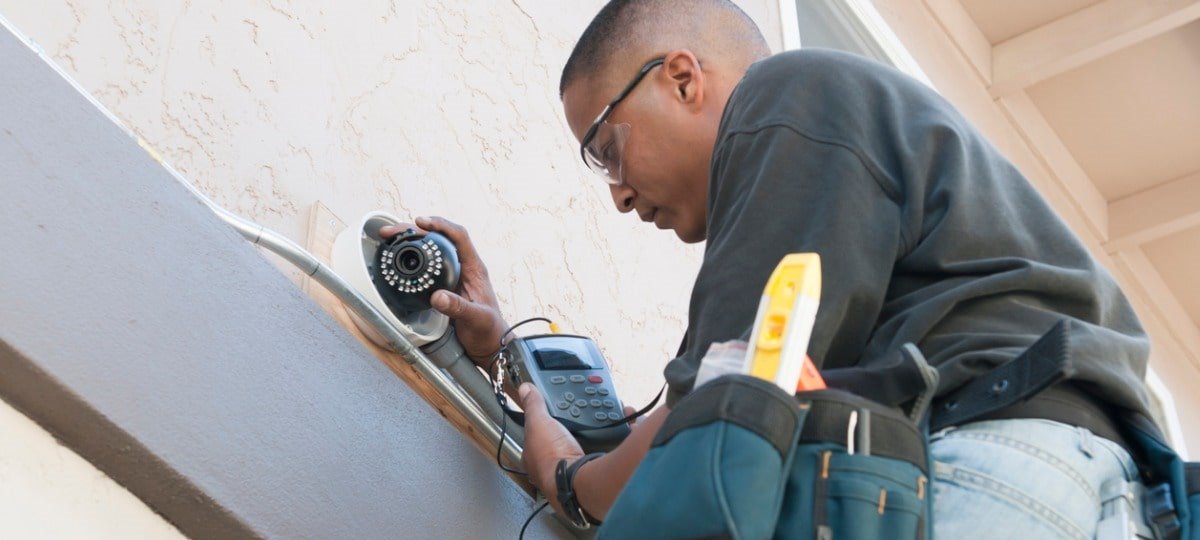
Why Security Camera Installation Should Be Left to the Professionals
Why You Should Hire a Professional Security Camera Installer If you are not an audiovisual professional, installing quality, capable home security equipment can be a much bigger ordeal than you anticipated. The DIY home security systems advertised on television look easy to set up and install. The truth is that we’ve received many calls from…

Smoke Detectors for the Hearing Impaired
What are Visual Fire Alarms? If a fire breaks out, occupants of a building may have as little as two minutes to get out before the fire becomes life-threatening. Fire alarms provide an early warning notification and alert people to evacuate, but what if you are deaf or hearing impaired? How do you know there…