3 Ways Security Contracts Help You
Are Contracts Required with All Security Companies?
No. Not all security companies require a contract, but that doesn’t necessarily mean a no-contract company is a better option.
There are pros and cons to contracts. The key is to know what you are paying for in a contract and details about the reputation of the company.
What does a contract cover?
If you are signing a contract with a security company, it shouldn’t be overly confusing. Usually, there are three main costs your agreement covers:
Equipment
Your primary home security system will consist of numerous parts:
-
The master control panel, which is the brains of the system
-
A touch keypad or other remote to arm and disarm your security system
-
Sensors to monitor access points of your home
-
Smoke and carbon monoxide detectors
-
A sounding device
-
Additional features such as surveillance cameras and video storage devices
Many customers do not want to pay equipment costs up front. A contract allows customers to spread out the costs of the equipment over time. The agreement will also cover the professional installation and set-up fees. Installing security system equipment properly takes a bit of time. There may be drilling or electrical wiring necessary if you choose a hard-wired security system. Even if you choose a wireless system, you may still have electrical wiring needs, depending on how the components on the system will be powered. Wireless system components also need to be tested in multiple locations to ensure they are getting an adequate internet signal to function effectively.
If you spread out the costs of your equipment over time, you do not own the equipment until it is paid in full. Make sure you understand exactly how many payments you will make and if you will be charged any interest, or, if you prefer to own your equipment upfront, find out exactly what that cost will be. A reputable company should have no problem providing you with that information during your initial consultation.
You might see advertisements for security equipment starter packages as low as $19.99, but be wary of these. That is not what it costs to manufacture a quality security system. The equipment may be subpar, or it may be the start of a bait-and-switch tactic. Some companies try to fool consumers. When they arrive to install your system, the components included in the “introductory” package may not be enough to protect all the access points to your home. It might also be a gimmick to lock you into a long-term and expensive monitoring agreement.
Monitoring
Another cost a contract covers is monitoring. You don’t have to pay for a company to monitor your alarm system monthly; however, it is well worth it. Check out our blog: Should You Get a Monitored Security System?
A central monitoring facility, certified by Underwriters Laboratories (UL), provides trained technicians who monitor your system 24/7. If these technicians receive a signal from your security system, they will take the appropriate next steps such as dispatching police or fire personnel to your home.
Not all central monitoring facilities provide the same type or quality of service. That’s why looking for a UL-certified facility is so important.
Other essential items to consider when setting up a monitoring contract include:
-
What is the monthly fee?
-
Is the monthly fee guaranteed to stay the same for the length of your contract? Some companies start your monitoring fees extremely low but increase them substantially three months later once you are locked into a three-year contract.
-
How long is the contract?
-
What is the cancellation policy if you decide you no longer want or need monitoring?
Service
Finally, part of your contract may cover servicing the security equipment. Security equipment, like anything else, may have general maintenance and repair needs from time to time.
There are costs to having a technician come out to your home and troubleshoot an issue. If a component is damaged in some way, there may be repair or replacement charges.
Understand what your contract covers. For instance, repair costs to your equipment might be free on your contract, but you may have to pay a nominal fee every time a technician comes to your home. On the other hand, you may pay nothing for the technician to come to your home, but parts and labor to repair the component may not be covered.
Get the Details
Again, make sure you understand all the details of your contract, and make sure everything is put in writing. Ask questions!
Never feel pressured to sign any contract on the spot. A reputable company will allow you time to look over the contract, ask questions, and evaluate different options. Read online review sites about the company you are considering. Is their staff courteous and respectful? Are they responsive if there is an issue? What is the brand name, make, and model numbers of the equipment they are installing in your home?
Contracts are not bad. They outline clear expectations of responsibilities for both the company and the customer. When you are considering something as important as home security, you need a responsible and trusted company. FSS Technologies has nearly 50 years of experience in protecting our customers and their homes. Contact us today, and let our security experts provide you with peace of mind thanks to our industry-leading security solutions.
Explore Our Other Blogs

What to Do If a Package Is Stolen
According to a recent study, nearly one in four people report being a victim of package theft and nearly half know someone who has had a package stolen. Of course, the uptick in package theft is not that surprising, considering consumers purchased $2.86 trillion in online retail goods in& 2018. Many of these items land squarely in…

How Do Wireless Doorbells Work?
A doorbell is a pretty self-explanatory tool—you press the button outside, and a chime goes off inside, alerting the homeowner that someone is at the front door. Like everything else, though, today’s technology has brought even the humble doorbell into the limelight as an indispensable tool for convenience and security. Pros and Cons of Wireless…
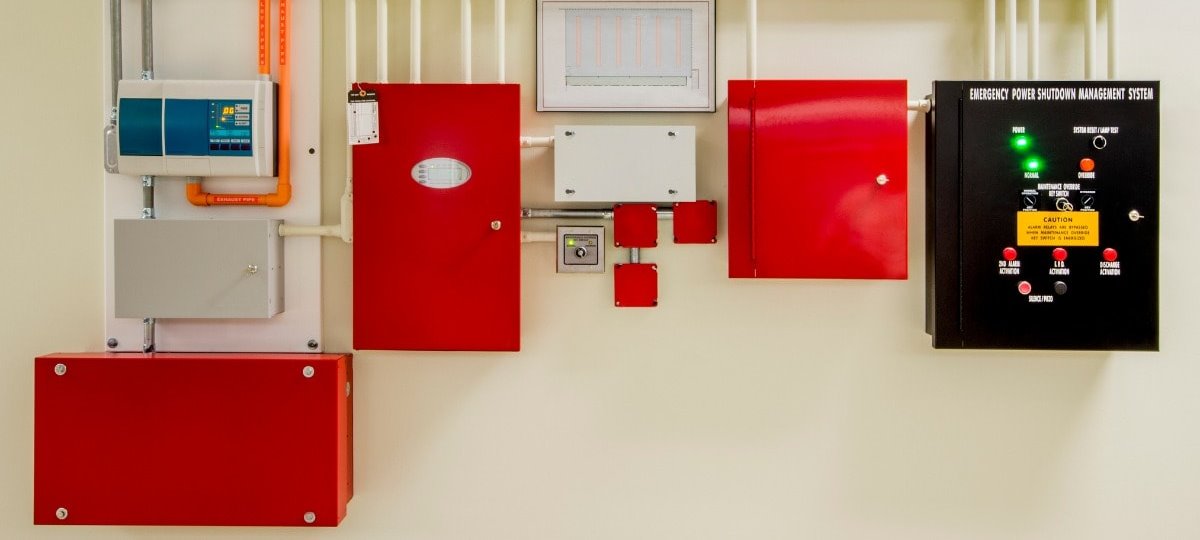
Code Requirements for Commercial Fire Alarms
The International Code Council The purpose of commercial property is for business or retail use, and the International Code Council (ICC) is a nonprofit association that develops model codes and standards used worldwide to construct safe, sustainable, affordable, and resilient structures. The fire codes vary depending on the type of business you run. For example,…
Are All Home Security Systems the Same?
Home security used to be synonymous with burglar alarms, but this is no longer the case. Home security today is not only about protection, but also comfort, convenience, communication, and information. All home security systems never were the same—there were different manufacturers, different types of equipment, and various providers. Today, there are entirely new categories…
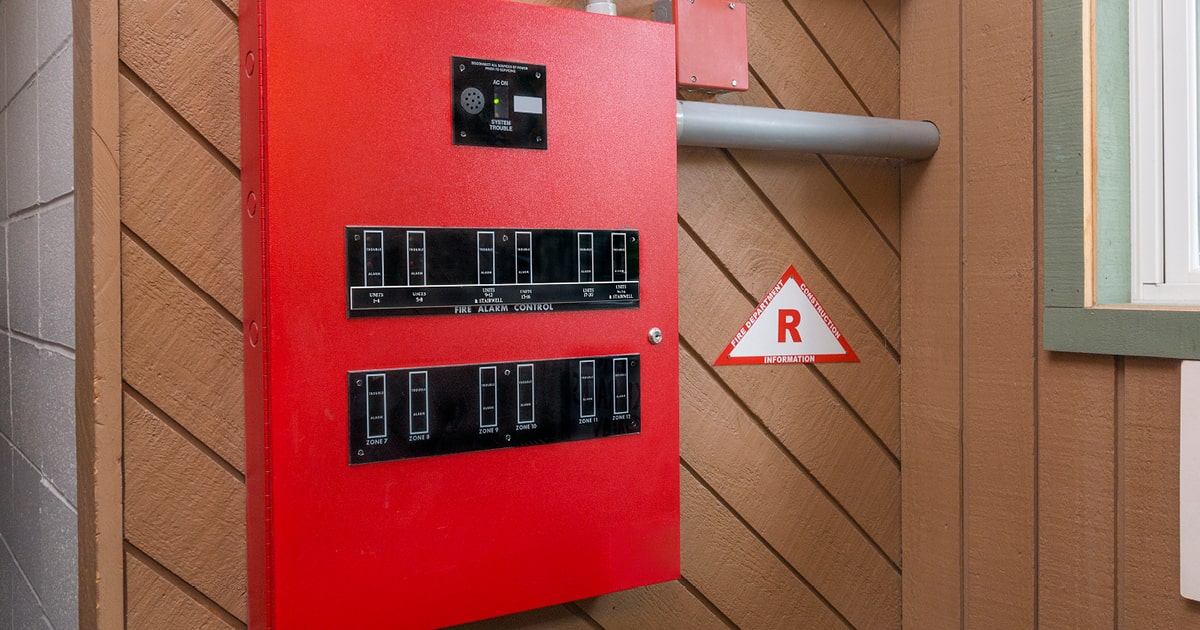
How Do Fire Alarm Control Panels Work
A fire alarm control panel is the brain of any commercial fire system. It constantly monitors connected devices, processes signals, and activates alarms when necessary. Understanding how a control panel works can help business owners, facility managers, and safety professionals recognize just how vital this piece of equipment is in protecting people and property. What…

7 Tips For Small Business Security
We hope it never happens to you, but workplace crime is something that all business owners should be prepared to encounter. With one-third of our life spent at work, it is an important place to secure and monitor for your safety, and that of your employees. Luckily, there are many simple, proactive steps you can…
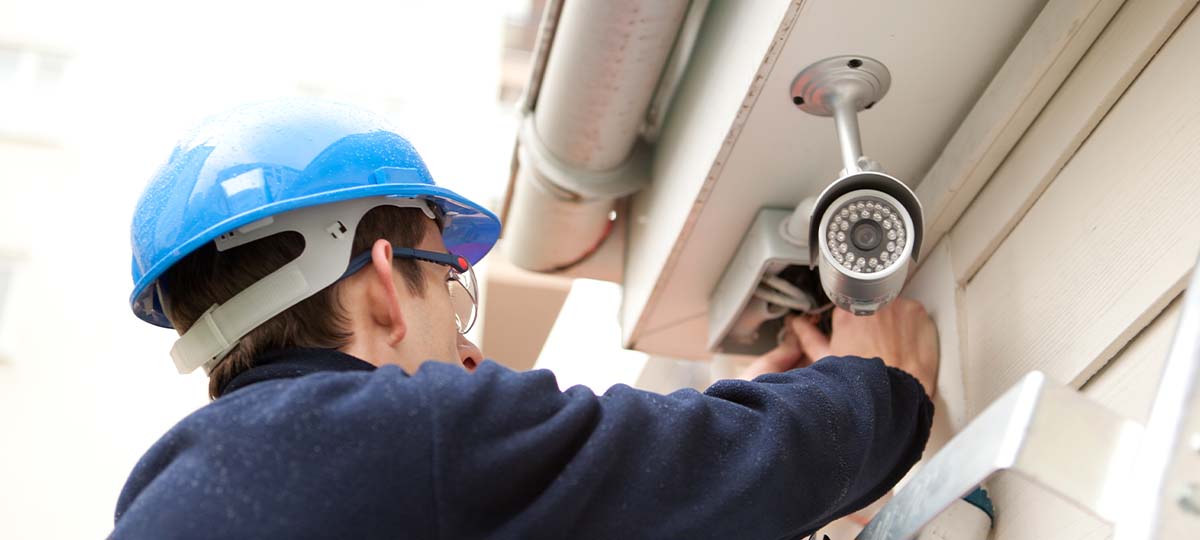
Security Cameras Are Not Created Equal
The Difference in Security Cameras Cameras are one of the most critical components in your security arsenal, and not all security cameras are the same. Why you ask? Consider these differences: Various types and sizes of cameras Indoor vs. outdoor cameras Cameras that are easy to camouflage Cameras that provide high-quality video footage Wired cameras vs. wireless…

What Does a Commercial Fire System Include?
Fire safety is critical for all businesses, but the components within commercial fire systems vary significantly between industries and functions. Fires can stem from common causes that affect any commercial property and sources unique to specific fields, so fire systems must address every threat using detection, prevention, protection, and suppression. With many options available for…

Where Should Window and Motion Sensors be Placed?
Motion and window sensors are basic parts of a security system in both residential and business applications. The expert security team at FSS Technologies has helped thousands of business and property owners stay safe with these tools. Sensors A motion sensor allows a system to detect movement, using waves or light to determine if someone or…

Items Burglars Want Most
Burglars move quickly. Because they tend to spend as little as ten minutes inside a home or business, several big-ticket items tend to fall prey to thieves. While some items on our list come to mind instantly, some may be more subtle. Outside of installing a security system, taking extra steps to secure your items…