Carbon Monoxide Detector Basics
What is a Carbon Monoxide Detector?
Carbon monoxide (CO) is a colorless, odorless, and tasteless gas or liquid that is poisonous to humans. Detectors are designed to identify carbon monoxide leaks and warn those in your home or business. This advanced warning can save lives as it allows you to get outside as fast as possible before being affected by the noxious gas.
The most common sources of carbon monoxide in a home are the furnace, dryer, and chimney. A broken or clogged vent can lead to a leak that can quickly turn into a preventable home emergency. In the workplace, the gas is typically caused by ovens, furnaces or even internal combustion engines.
A carbon monoxide detector determines the parts per million (ppm) of carbon monoxide in the air. Carbon monoxide is dangerous to humans after extended exposure of 150 to 200 ppm.
Carbon Monoxide Detector Placement
Carbon monoxide detectors, similar to smoke detectors, should be placed on every level of your home, as well as in every bedroom, sleeping area, and common rooms. It is best to place the detector about five feet from the ground. Any detectors used in sleeping areas should be set to an alarm level that will wake you up.
Avoid placing a detector above a fireplace or other flame-creating appliances.
How to Test
Test your detector’s batteries each month and replace the batteries every six months or as directed by the device’s manual.
Beeping
Beeping can signal an issue, but it is essential to know your alarm setting to be able to distinguish a low battery beep from a life-saving alert.
In Case of a Carbon Monoxide Leak
If your carbon monoxide detector alerts you to a dangerous level of CO in the air, you need to leave the building immediately and make sure to evacuate any children or animals. Once safely outside, call 911.
When to Replace
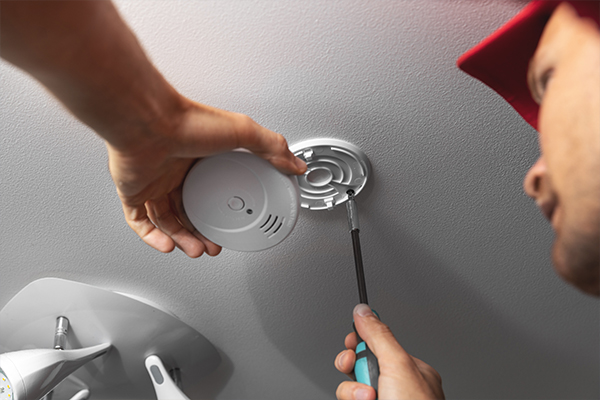
Carbon monoxide detectors, like fire alarms, have an expiration date. These devices can become less sensitive over time and should be replaced every five to seven years.
If you are looking to install or replace your carbon monoxide detectors, contact the fire and security experts at FSS Technologies. We can help you install and test your detectors or talk to you about the elements of a fire alarm system.
Explore Our Other Blogs
7 NFPA Codes Every Business Should Know
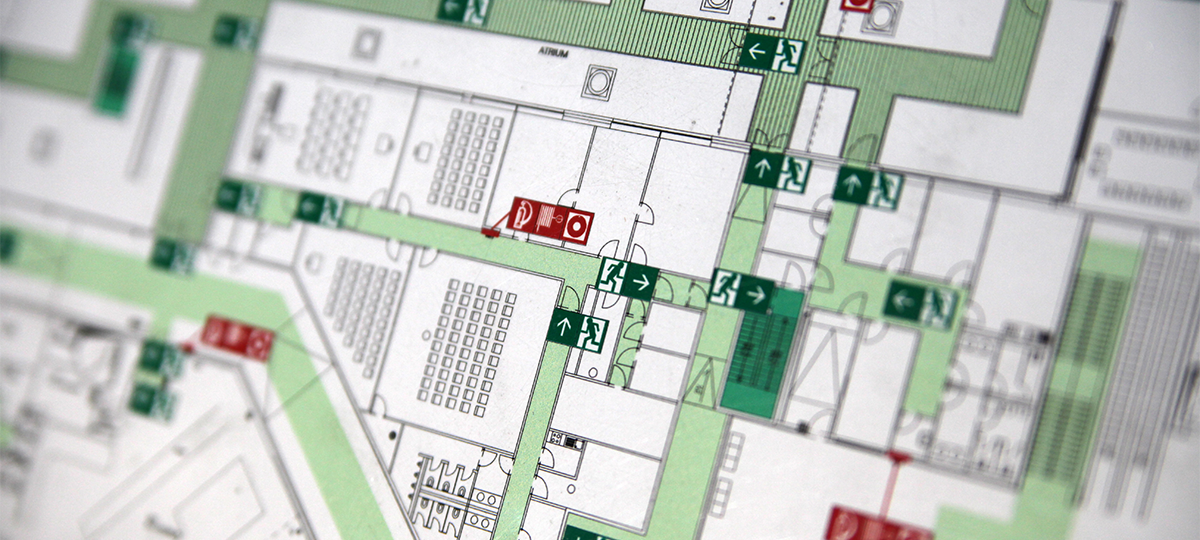
Business owners have an enormous responsibility to ensure their employees and customers are protected from fire hazards. Companies in industries like manufacturing and property management each face unique challenges in preventing fires and meeting code requirements. The National Fire Protection Association (NFPA), one of the world’s leading experts in fire and life safety, has published…
Fire Alarm Troubleshooting Tips
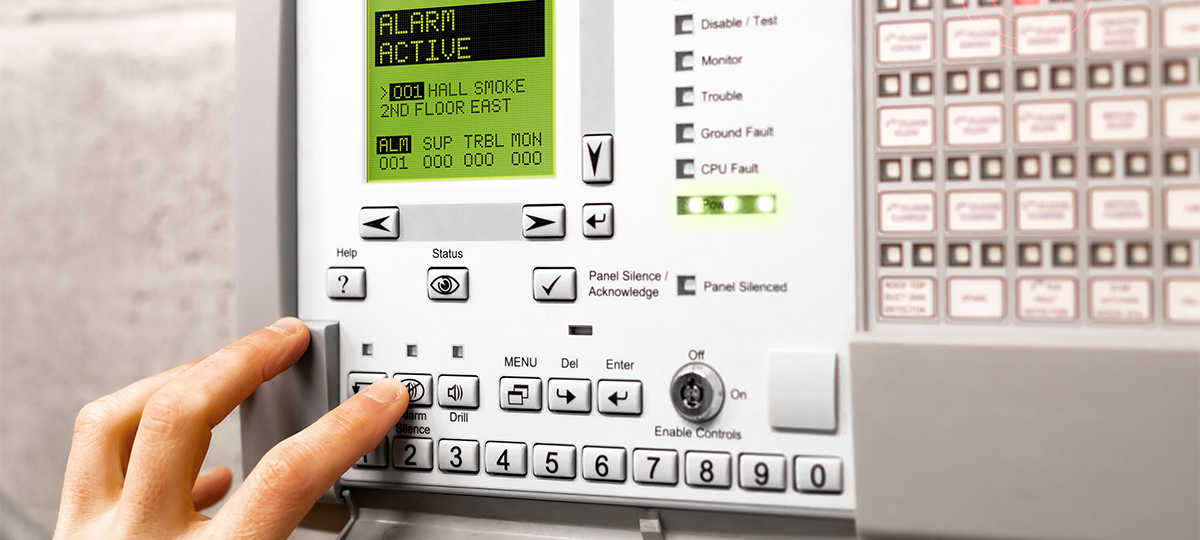
Your commercial fire alarm system plays a critical role in protecting your building, occupants, and operations. When it works as intended, it provides early warning and supports a safe, coordinated response from your team and first responders during an emergency. When it doesn’t, even small issues can lead to compliance concerns, inspection findings, or unnecessary…

Tips to Prevent Your Security System from Being Hacked
The Risky Business of Ring’s Vulnerable Security and other DIY security systems can leave your home as a potential target for hackers or thieves. When you are investing in a security system, you are hoping for peace of mind, and you are trusting this technology with your safety and property. Have I Been Hacked? A hacker may…

What Does a Commercial Fire System Include?
Fire safety is critical for all businesses, but the components within commercial fire systems vary significantly between industries and functions. Fires can stem from common causes that affect any commercial property and sources unique to specific fields, so fire systems must address every threat using detection, prevention, protection, and suppression. With many options available for…
Reasons to Choose a Local Security Company
Whether you’re considering investing in a home or commercial security system or switching providers, you may be weighing local and national companies. Which companies can you trust? Is there a difference in service between your options? Does a larger company necessarily mean better service? There are pros and cons to both sizes of company, but…

What is Video Alarm Verification?
Video alarm verification is a tried-and-true technology that is an underused component in residential and commercial security systems. Video alarm verification adds an extra element to your overall security by partnering your security system with an alarm monitoring center. When an alarm is triggered, video alarm verification allows monitoring center employees to view the situation…
Kidde: Innovations in Fire Safety
Your fire alarm system can protect your family, home, and belongings from fires, gas leaks, and other hazards. FSS Technologies is committed to providing its customers with top-of-the-line fire safety and emergency prevention technology, which is why we are a proud provider of products from Kidde, North America’s most installed fire safety brand. Learn about…

Which Businesses are Burglarized Most?
The idea of business theft and burglary is not a pleasant one; however, the likelihood of your business being burglarized is rather high. In fact, approximately 37% of small business owners were impacted by burglary or theft over the past year. Retail businesses in particular are highly targeted as thieves are seeking the opportunity to either use or resell stolen items. Everything from simple shoplifting to employee theft can contribute to overall business…

How to Make Your First-Floor Apartment Safe
In business, getting in on the ground floor is great. You are part of a plan early on to gain an advantage. When it comes to apartment-dwelling, however, getting in on the ground floor is only an advantage in some respects. It’s easier for you and your pets to get in an out, it’s easier…

The Safest Neighborhoods in Detroit
Low-Crime Neighborhoods of Detroit SafeWise released its rankings of Michigan’s 20 Safest Cities of 2021. On the 2021 list, 9 of the 20 cities are considered suburbs of Detroit. They include: Gross Ile Township #3 Oakland Township #4 Huntington Woods #9 South Lyon #13 Addison Township #16 Highland Township #17 Rochester #18 Berkley #19 Brandon Township…