What are BDA Systems?
As technology continues to evolve and building codes grow more stringent, bi-directional amplifier (BDA) systems are no longer just a luxury—they’re a critical component in ensuring your building’s safety and compliance. Whether you’re a property owner, facilities manager, or contractor, understanding BDA systems is essential, and choosing the right partner for installation makes all the difference. That’s where FSS Technologies comes in.
What is a BDA system?
A bi-directional amplifier (BDA) system is a signal-boosting solution that enhances radio frequency coverage inside buildings for first responder communication systems. BDA systems are components of an emergency responder communication enhancement system (ERCES). These systems are designed to eliminate “dead spots” in communication that can occur within large buildings, underground areas, or structures with dense materials like concrete and steel.
When firefighters, police, or EMS personnel enter a building, clear and reliable radio communication is critical. These systems don’t just enhance the safety of first responders—they also can potentially save the lives of those they’re trying to protect. BDA systems ensure that emergency radios can send and receive first responder signals inside the structure just as well as they do outside.
How do BDA systems work?
BDA systems capture radio signals from a donor antenna placed on the roof or another location with strong reception. These signals are then amplified and distributed throughout the building via a network of indoor antennas and cables. This two-way signal amplification ensures that responders can both hear and be heard anywhere in the building.
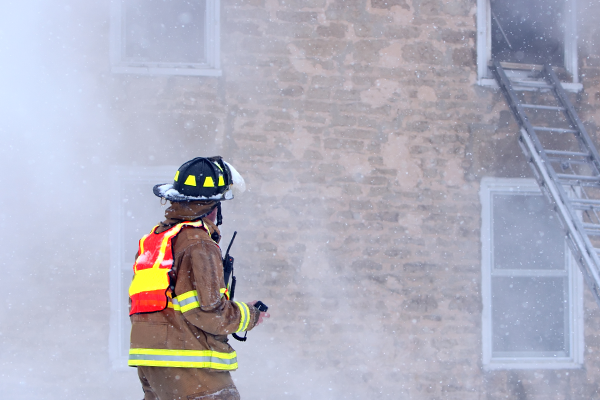
A BDA system typically integrates with a public safety distributed antenna system (DAS). Both must comply with codes from the National Fire Protection Association (NFPA) and the International Code Council (ICC) that many local jurisdictions now enforce. While these codes are particularly required in new construction or major renovations, older buildings may be subjected to them as well.
Why are BDA systems so important?
More cities and counties are adopting fire codes that require BDA systems for certificates of occupancy. Non-compliance can delay the opening of a building or even result in penalties for the owners. What’s worse, poor radio coverage within a structure can drastically reduce overall safety and put lives at risk.
With a BDA system, first responders can rely on the communication tools they need to operate in high-pressure environments. Building owners and tenants alike gain assurance and peace of mind knowing that thorough measures are in place to ensure communication will not fail in an emergency.
Choose FSS Technologies for all your life safety needs
At FSS Technologies, we understand the critical role BDA systems play in life safety. We’re more than just installers – we’re expert partners who ensure your system is compliant, effective, and future-ready. Our team is trained and certified in BDA and DAS systems with a deep understanding of local and national code requirements.
From site surveys and RF testing to system design, installation, and ongoing maintenance, our expert service technicians provide end-to-end services. We work closely with any relevant authorities having jurisdiction (AHJs) to ensure your system meets or exceeds expectations. On top of that, we pride ourselves on a culture of care, growth, and challenge to deliver tailored solutions that protect both people and property.
Whether you’re building new or retrofitting an existing property, now is the time to ensure your communication systems are up to code. Choose FSS Technologies—your dependable partner in safety and signal clarity. Contact us to learn more and schedule your free BDA consultation today.
Explore Our Other Blogs

How Landscaping Affects Your Security
Visibility When it comes to the landscaping around your home or business, there are several considerations to keep in mind that could affect your visibility and overall security. While some suggestions to increase visibility and reduce obstructions may seem obvious, others are more subtle and could have a considerable impact. Lighting Having adequate lighting around…

Wired vs. Wireless Security Cameras
Wired or Wireless? When we talk about wired versus wireless in-home security, it has little to do with whether a piece of equipment has physical wires attached to it. The terms wired and wireless refer to the communication signal that is transmitted from one piece of security equipment to another. For a security system to…

How to Make Your Business’s Fire and Security Systems ADA Compliant
The Americans with Disabilities Act (ADA) was created to stop discrimination against and to ensure the rights of people with disabilities. It serves as an equal opportunity law for people with disabilities, defined as “physical or mental impairment that substantively limits one or more major life activities.” For businesses, the ADA means that the services…
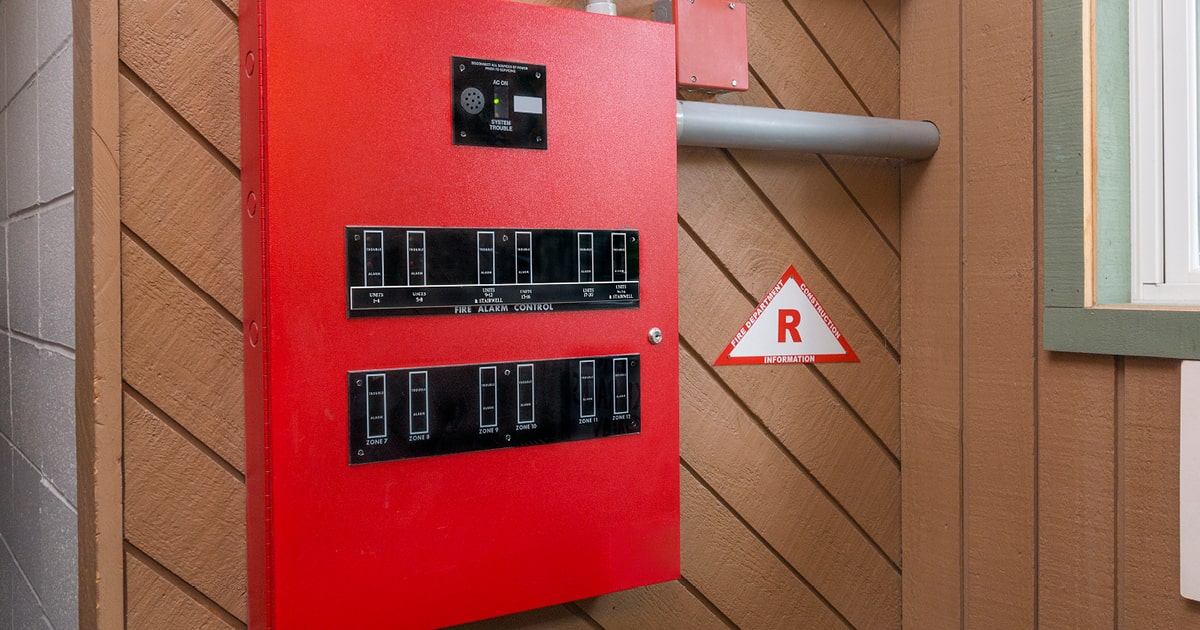
How Do Fire Alarm Control Panels Work
A fire alarm control panel is the brain of any commercial fire system. It constantly monitors connected devices, processes signals, and activates alarms when necessary. Understanding how a control panel works can help business owners, facility managers, and safety professionals recognize just how vital this piece of equipment is in protecting people and property. What…

What Does a Commercial Fire System Include?
Fire safety is critical for all businesses, but the components within commercial fire systems vary significantly between industries and functions. Fires can stem from common causes that affect any commercial property and sources unique to specific fields, so fire systems must address every threat using detection, prevention, protection, and suppression. With many options available for…

How Do Wireless Doorbells Work?
A doorbell is a pretty self-explanatory tool—you press the button outside, and a chime goes off inside, alerting the homeowner that someone is at the front door. Like everything else, though, today’s technology has brought even the humble doorbell into the limelight as an indispensable tool for convenience and security. Pros and Cons of Wireless…

How to Conduct a Physical Security Audit
Protecting your livelihood is at the top of every business owner’s mind, but how do you know if your business is truly protected? By performing a physical security audit, you can fully assess any threats that your business might be subject to and take the necessary steps to mitigate those threats. During a physical security audit, each aspect of the business and its security…

7 Tips For Small Business Security
We hope it never happens to you, but workplace crime is something that all business owners should be prepared to encounter. With one-third of our life spent at work, it is an important place to secure and monitor for your safety, and that of your employees. Luckily, there are many simple, proactive steps you can…

How Commercial Security Monitoring Benefits Your Business During Quarantine
Instating work from home policies to protect your employees and help to stop the potential spread of COVID-19 is one step that organizations are taking to keep their company safe. But, with all your employees at home, how can you protect the other assets that make up your business? Regardless of the type of company…

Ins and Outs of Contract vs No Contract Security Systems
Many people see signing a long-term contract with a reputable alarm company as a stressful experience. In truth, contracts are in place to benefit both the alarm company and the homeowner. Developing a relationship and signing a long-term commitment to a security company allows you to get to know a team and benefit from the peace of mind that…