The 3 Key Differences in Residential vs. Business Security Explained
What is the difference between a commercial and a residential security system?
Commercial real estate is a property type that is only for business or retail purposes. Residential real estate is a property type specifically designed for living purposes, if it is four units or less– anything larger than that is considered a commercial property.
Commercial and residential properties are subject to different laws and regulations, and that includes rules for security systems. Commercial property and business owners run the risk of liability claims and exposure to lawsuits if they do not maintain adequate security measures. In general, security for commercial properties is much more complex than for residential dwellings.
Identifying Security Risks
Risk identification in a residential property is relatively simple, especially since the homeowners are the ones primarily going in and out. The biggest threats to life or personal property are from a fire or theft. The most vulnerable parts of your home are the front door, garage service door, or any sliding doors. Windows are also a possible entry point for thieves, particularly if they are covered by large shrubs or the lighting is poor,. When assessing fire risks, bedrooms, basements, and any areas where there are cooking appliances or heating elements, all need protection.
Risk identification at a commercial property is much more complicated. Commercial buildings are first accessed by a wide variety of people–employees, vendors, and patrons–at varying times throughout the day. Then there is often valuable merchandise, technology, or cash that is visible and easily accessible in a commercial property. If a commercial property is an industrial facility, there are environmental factors to consider, as well as more complex safety issues.
Complex Commercial Security Considerations
- Who has access to the building and when?
- How are special areas such as storerooms, restaurant cooking facilities, or cash registers protected?
- What special regulations need to be met for securing elevators, stairwells, or parking lots?
- How will data storage and playback issues be handled to address theft, employee disagreements, or customer complaints?
Certifications and Inspections
Residential properties are generally not subject to certifications and inspections of security equipment. A home security system isn’t required at all, outside of working smoke detectors, and possibly carbon monoxide detectors, depending on the city or state you live in.
Commercial properties, on the other hand, are required to use certified security equipment and undergo regular inspections based on building codes and any local or state ordinances. Fire alarm system design and installation are driven strictly by code. Each jurisdiction has different requirements, and many times fire alarm systems may require the approval of multiple jurisdictions (local, state, and joint commission) before installation.
Accessibility
Another significant difference between residential and commercial security systems are accessibility needs. In a residential property, the homeowner is not required to make any accommodations for people with disabilities.
With a commercial building, accessibility is always a consideration. There are varying accessibility needs that must be met in commercial properties– both for entering and working inside of the building and exiting it during an emergency.
- Do you need to have audible-visible appliances to alert occupants of a building in an emergency?
- Does your elevator have a recall function or two-way voice assistance?
- Is your building required to have an area of refuge?
- Do you have an appropriate Emergency Action Plan?
With over 45 years of experience, FSS Technologies is an industry leader in providing security systems and life safety solutions appropriate for residential and commercial applications. All our technicians are NICET certified, and we understand the nuances of installing security systems in most jurisdictions. For more information on designing the right solution for your home or business, contact us today.
Explore Our Other Blogs
Can I Install a Security System with Monitoring in my Apartment?
The most recent FBI data estimates that there are over 1.2 million burglaries a year, resulting in around $3.4 billion in property loss. Although property crime as a whole has been on the decline, the rise in popularity of video doorbells and more comprehensive and integrated home security systems shows that Americans are no less…

How Do Wireless Doorbells Work?
A doorbell is a pretty self-explanatory tool—you press the button outside, and a chime goes off inside, alerting the homeowner that someone is at the front door. Like everything else, though, today’s technology has brought even the humble doorbell into the limelight as an indispensable tool for convenience and security. Pros and Cons of Wireless…
Holiday Safety Tips for Homes and Businesses
With the holiday season right around the corner, burglars are on the lookout for unguarded homes or businesses to prey on. Unlike the Grinch, holiday robbers don’t often have a heart that grows three sizes, making it more important than ever to protect your valuables and your loved ones. Our security experts have come up…

Big Name Home Security Gimmicks
We talk about choosing between a national home security company and a local company, DIY Security systems’ weaknesses, and video doorbells. Choosing a security system can be stressful and overwhelming, especially when you and your family’s security is at stake. So how do you choose a home security system? Do Your Homework It’s critical to do…
Can Your CCTV and Access Control Systems be Integrated?
When setting up security for your business, you might consider adding CCTV and access control systems. These two security measures work great to deter crime on their own, and provide even greater security when integrated. This pairing has many advantages, but it is also a complex setup that may not be right for you. There…
How Much Data Does a Wifi Security Camera Use?
Internet Speed Bandwidth Internet bandwidth is a significant issue nowadays. Everything is tapping into the internet— from our phones to our refrigerators. If you’re installing internet protocol (IP) security cameras, they will inevitably use some of the bandwidth from your network. The question is, how much? When you purchase home internet service, you typically get…
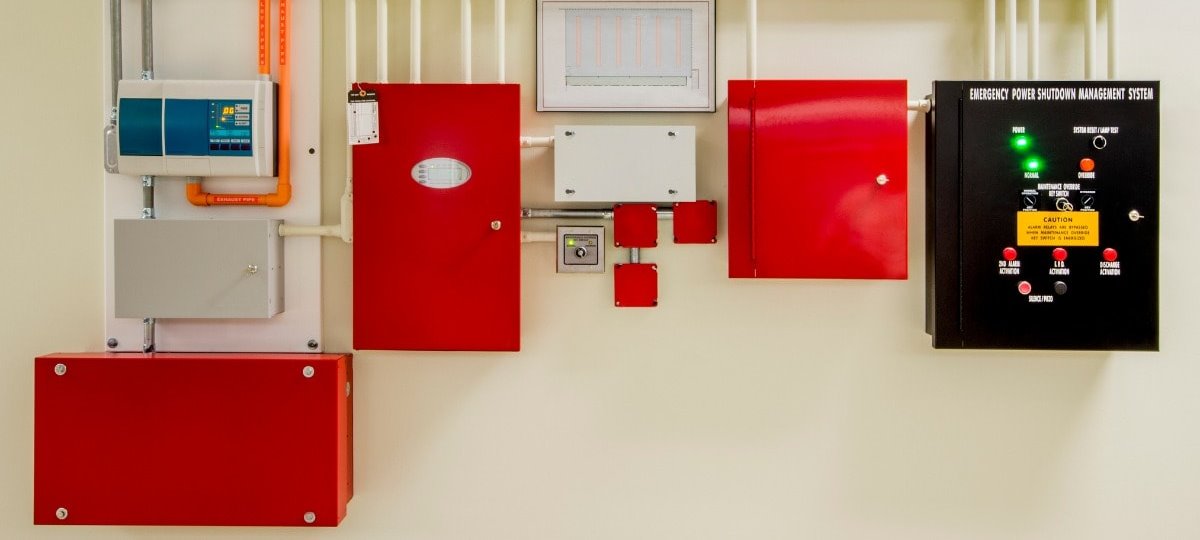
Code Requirements for Commercial Fire Alarms
The International Code Council The purpose of commercial property is for business or retail use, and the International Code Council (ICC) is a nonprofit association that develops model codes and standards used worldwide to construct safe, sustainable, affordable, and resilient structures. The fire codes vary depending on the type of business you run. For example,…

What Causes False Alarms on Home Security Systems
False alarms on home security systems are not only an annoyance for homeowners, but they take up the valuable time and resources of our local law enforcement officials. In fact, many cities and towns now charge homeowners a fee for false alarms. In order to save you the frustration and potential financial hit, let’s look…
Security Integrations with Avigilon Alta
Security systems and integrations For business owners and managers, security systems are a key tool in protecting your customers, property, and commercial operations. There are several components to consider when working to create the best security system for your business, and there’s never a one-size-fits-all solution. A helpful approach to finding the best fit for…

Smoke Detectors for the Hearing Impaired
What are Visual Fire Alarms? If a fire breaks out, occupants of a building may have as little as two minutes to get out before the fire becomes life-threatening. Fire alarms provide an early warning notification and alert people to evacuate, but what if you are deaf or hearing impaired? How do you know there…