The Benefits of Keyless Access Control
As your organization grows and evolves, managing physical access becomes increasingly complex. Traditional keys often struggle to keep pace with changing employee roles, multiple locations, and heightened security expectations. These issues don’t just cause minor issues—they create risks that can impact productivity, compliance, and overall security.
Keyless access provides a modern approach to commercial access control. It empowers your team with greater control, visibility, and flexibility over who can access your buildings and when. Where physical keys are difficult to track and expensive to replace, keyless systems let you manage access digitally across locations.
When used strategically, commercial keyless access control does more than secure your facilities. Here are five key ways that this type of system can improve operations and strengthen security.
1. Smoother administrative procedures
Managing physical keys across a growing organization is inherently inefficient and prone to human error. Any personnel change requires manual coordination to issue new keys, collect old ones, and update tracking records. Even with experienced administrative staff, these processes can quickly become overwhelming as your organization grows.
Keyless access management simplifies the process by allowing you to update permissions instantly from a centralized platform. Instead of physically distributing keys or rekeying locks, your administrative staff grants access permissions digitally and in real time. This streamlined process allows your employees to respond quickly to changes without disrupting daily operations.
Replacing traditional keys with keyless systems means your team can:
- Manage employee access privileges based on role or schedule
- Simplify onboarding and offboarding processes across departments
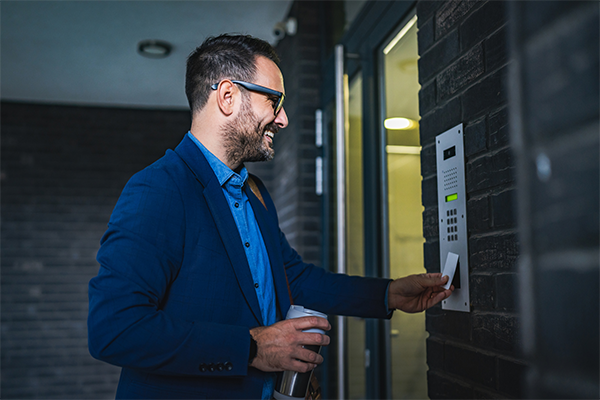
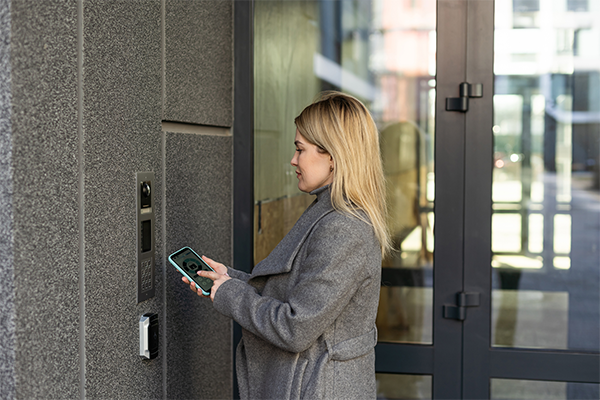
- Streamline access using mobile credentials or PIN codes
- Maintain consistent access policies across multiple sites
For smaller organizations, this saves time on administrative work. For larger or multi-site operations, it ensures consistency and accountability across departments. At any scale, keyless access reduces human error, security risks, and inefficiencies.
2. Improved operational visibility
With traditional keys, you may know who should have access based on which keys someone has. Still, you have no reliable way to confirm who actually entered a space, when they did, and how they gained access. If an incident occurs, tracking down the details of an event based solely on physical keys can be a difficult task.
Keyless systems change that by providing detailed access audit trails and real-time reporting through cloud-based systems. From a centralized dashboard, you can view who accessed specific areas, when they accessed them, and with which credentials. This visibility helps you monitor compliance and make informed operational decisions.
With enhanced access visibility, your business can:
- Monitor access activity across all locations from one platform
- Identify unusual or unauthorized entry attempts
- Support compliance with internal rules and industry policies
- Resolve disputes or investigate incidents with accurate records
If your organization has multiple facilities, this visibility can be especially valuable. You don’t need to rely on local staff or manual reporting to understand what’s happening at each site. You have consistent oversight that helps you manage better and make quicker decisions. Keyless access control gives you insight into real-world access behavior at each location.
3. Long-term cost savings
While the upfront cost of keyless access control may be higher than traditional locks, the long-term savings can be substantial. Traditional lock-and-key systems come with ongoing costs like rekeying locks, replacing lost keys, and duplicating credentials. You also need to spend staff time on manual tracking. These expenses can build quickly, especially for businesses with many employees or multiple locations.
Keyless systems reduce or eliminate many of these recurring costs. You can issue and adjust digital access permissions instantly, all without rekeying or getting physical replacements. Administrative efficiency also translates into real savings by freeing your team to focus on higher-value tasks. With keyless access, your business can cut recurring expenses and embrace a more cost-effective approach in the long run.
Potential cost benefits to your bottom line can include:
- Decrease costs associated with rekeying and hardware replacement
- Minimize labor hours spent managing access manually
- Reduce the risk of security incidents tied to lost or unreturned keys
- Improve efficiency across teams and locations
These cost savings compound over time, making keyless access management a strategic investment. Keyless access offers a good return on investment while also helping you meet your long-term goals. Your business can then redirect resources toward initiatives that drive growth, efficiency, and productivity.
4. Scalable, future-proof systems
Savings matter, but your system also needs to grow with your business. New locations, expanded teams, changing schedules, and shifting objectives can quickly outpace traditional access systems. Physical keys are difficult to scale efficiently because they require manual coordination that may not keep up with your operational growth.
Keyless access control is designed with scalability in mind. You can easily change permissions and policies when adding new employees, opening a new office, or reorganizing departments. This helps make your expansions smoother and more effective. You can also expand and link systems across locations, helping your business grow without losing consistency or speed.
Scalable keyless systems enable your team to:
- Add or remove users without issuing new hardware
- Adjust access levels as soon as roles change
- Expand coverage to new doors or locations seamlessly
- Maintain consistent policies as your organization grows
By planning for growth with a scalable system, your company can maintain consistent levels of security across all locations. Whether you’re opening a new office or restructuring teams, you can add it to your existing system instead of managing it separately. Choosing a scalable system ensures that you maintain security and operational efficiency as your footprint expands.
5. Seamless system integrations
Keyless access management works effectively on its own, but its true potential is unlocked when integrated with other security systems. Standalone access control provides basic oversight, but connecting it with video surveillance, intercom systems, and monitoring services creates a unified, intelligent security ecosystem.
By integrating your access control system with other security solutions, you can:
- Correlate access events with CCTV footage or intercom recordings
- Apply consistent access policies across systems
- Improve response times during security events
- Generate detailed reports for compliance and internal audits

These integrations provide actionable context and eliminate the need for educated guesses. For example, if someone opens a door outside normal business hours, your system can quickly find video footage to verify if access was allowed. This deeper level of insight enables your team to transition from reactive security measures to proactive risk management.
Most integrations are completed during initial setup and can be updated over time if you add new systems or switch manufacturers. By connecting your access control with other security tools, you gain actionable intelligence that helps you protect your people, property, and operations more effectively.
How can my business make the most of keyless access?
Keyless access management is more than a technology upgrade—it’s a strategic tool for protecting your people, property, and operations. Still, even the most advanced access control platform requires thoughtful implementation. Your system should reflect real-world workflows, role structures, and compliance requirements to ensure it functions effectively from day one.
When evaluating or installing a keyless access solution, consider:
- Facility size and layout
- Number of users and access points
- Scalability to support growth over time
- Reporting and visibility features
- Credential flexibility, including mobile and contactless options
- Cloud-based management capabilities
- Integration options with other systems
Unlock the benefits of keyless access management with FSS Technologies
Choosing keyless access control for your business is a critical step, but ensuring it’s designed, implemented, and supported correctly is what determines its effectiveness. At FSS Technologies, we approach commercial security as a long-term project, not a one-time service. Our expert service technicians work closely with you to design, install, and maintain a commercial access control system tailored to your organization’s needs.
Our access control services include:
- Personalized consultation and system design based on your needs and objectives
- Professional installation for commercial environments
- Seamless integration with video surveillance, intercoms, and other security systems
- Cloud-based access control solutions that give you visibility and control from anywhere
- Ongoing service and support to keep your system performing reliably over time
As a premier partner of Avigilon Alta, we can help your business implement a secure, cutting-edge, and easy-to-manage keyless access control system. From real-time access management to seamless integration with other security systems, partnering with our certified technicians and in-house customer support team is a smarter way to make the most of your security solutions.
Ready to modernize your access control? Contact us today to schedule a consultation and take the next step toward flexible, secure commercial access.
Explore Our Other Blogs
Ring Doorbell Cons
Video doorbells are a great addition to home security, and Ring is the popular choice for many who prefer wireless security. Although there are some pros to the Ring Doorbell, it has some cons you should be aware of before purchasing from Ring. Monthly Fee for Storage The cheapest Ring doorbell is $59.99, with the…

Will CCTV Work Without Internet?
Closed-circuit television (CCTV) is a TV system where the signal isn’t publicly broadcast but is watched and monitored, usually for surveillance and security purposes. From city streets and highways to retail stores and banks, CCTV cameras are placed in most places to protect property and deter crime. Learn whether a commercial CCTV system can work…

How is a Fire Sprinkler System Designed?
While fire sprinkler systems seem the same at first glance, there’s no one-size-fits-all solution for all commercial properties. Depending on a structure’s needs and circumstances, fire sprinkler systems use different combinations of various components. The ideal design should accommodate the unique features of each industry, layout, and operation. Whether you’re looking to install a fire…
5G Security Concerns & the 3G Sunset
Consumers are using the internet on the go more than ever. By 2022, it is projected that consumers will utilize nearly 11GB of data per month, primarily due to video consumption. To create a more robust and long-term solution, technology infrastructure is working towards the next generation of mobile networks: 5G. With this network upgrade…

What Causes False Alarms on Home Security Systems
False alarms on home security systems are not only an annoyance for homeowners, but they take up the valuable time and resources of our local law enforcement officials. In fact, many cities and towns now charge homeowners a fee for false alarms. In order to save you the frustration and potential financial hit, let’s look…

Fire Safety for Multistory Buildings
While it can seem similar to homes or businesses, multistory properties have unique demands for fire safety. Whether your property includes a mid-rise condo and business building or multiple low-rise apartment locations, it requires additional care and consideration when evaluating the protection of inhabitants from fire hazards. If a fire breaks out in one…
Livly: A Modern Residential Community Experience
The Livly property and tenant management system is one of the most cutting-edge and all-inclusive apartment app experiences available today. The system offers low-cost technology and fully integrated experiences that pair well with a variety of existing property management systems. As a proud partner with Livly, FSS Technologies offers this trusted technology solution for both…

Winter Commercial Fire Safety Tips
While fire safety and prevention are crucial year-round, unique fire hazards accompany winter’s freezing temperatures. The National Fire Protection Association (NFPA) reports that many holiday-related factors contribute to an increased fire risk during the winter months, and commercial settings are just as vulnerable. Besides creating and reviewing company-wide fire safety procedures, here are 4 tips…
7 NFPA Codes Every Business Should Know
Business owners have an enormous responsibility to ensure their employees and customers are protected from fire hazards. Companies in industries like manufacturing and property management each face unique challenges in preventing fires and meeting code requirements. The National Fire Protection Association (NFPA), one of the world’s leading experts in fire and life safety, has published…
What Are Fire Alarm System Zones?
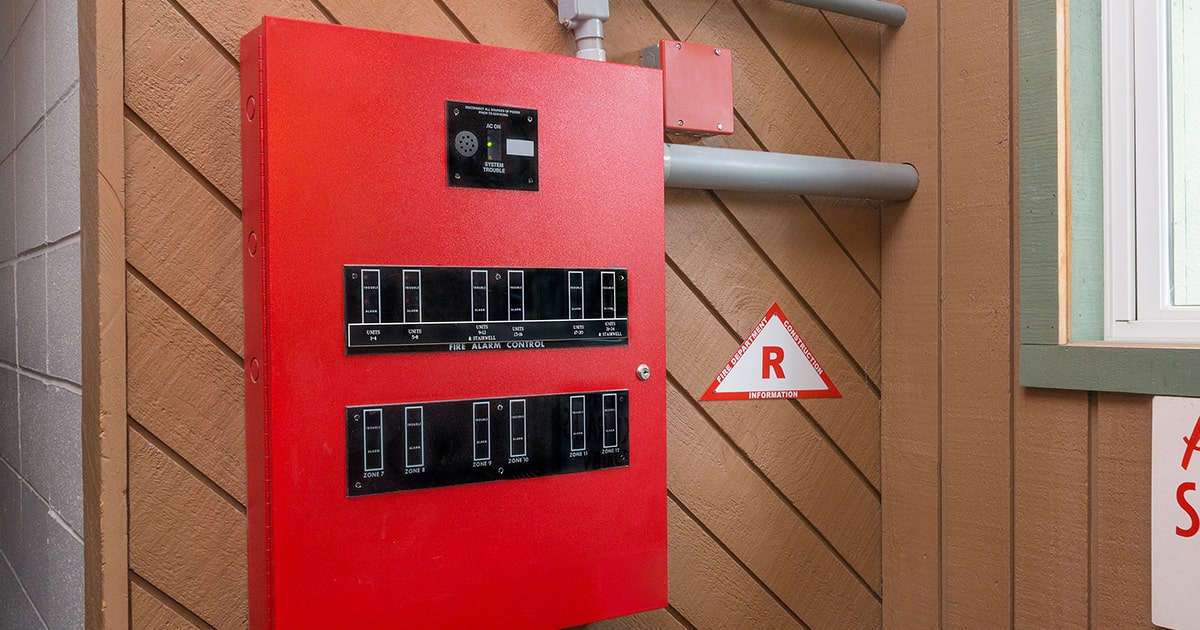
Fire alarm zones are standard in conventional fire panels. Each zone represents a different area in the building to help firefighters and professionals pinpoint the source of an alarm. However, it can be confusing to research fire alarm zones because they are not as common as they once were. Conventional and addressable systems handle communication for fire…