How Often Should You Check Your Smoke Detectors?
Fire Alarm Testing
Whether your fire alarm is protecting your home or a commercial facility, regular testing of your fire alarm system is critical to ensure it is working correctly. This test guarantees that everyone occupying the home or office understands what to do when the fire alarm sounds, gives you a chance to check the batteries and equipment, and confirms you are meeting local safety standards.
Residential Fire Alarm Testing
The National Fire Protection Association (NFPA) recommends that homeowners test their smoke alarms at least once a month using the test button. This is the case for both battery-powered and hard-wired smoke alarms.
It’s essential to follow the manufacturer’s instructions for keeping smoke alarms clean and maintained so they work correctly. Sensors that collect dust or become water damaged will be less effective and can be a danger to your home.
Smoke alarm batteries should be replaced every year unless the battery chirps – then the battery should be replaced right away. Smoke alarms should be replaced entirely every ten years.
In addition to checking your equipment and batteries, you should do yearly assessments of your family’s emergency readiness. Fire safety for kids is important because it will help your children respond in a careful, practiced manner and allow everyone to get out without harm. Home fire safety practice can be as simple as having discussions at the dinner table about what to do in the case of a fire or teaching your kids how to get help if they should ever need it.
Commercial Fire Alarm Testing
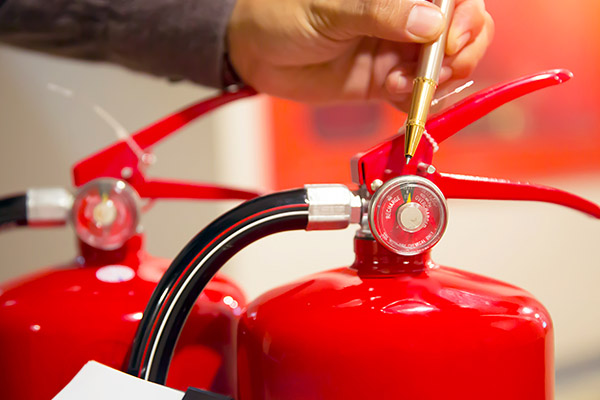
Fire alarm testing requirements for business owners will be determined by the Authority Having Jurisdiction (AHJ) in the area where your business is located. The AHJ is the organization, office, or individual responsible for enforcing fire codes in your area.
The AHJ may be the county, it may be the city, and it may be an engineer. There can be many differences between AHJs in how they enforce codes and what codes are applied, so testing requirements for your fire alarm system must be set and verified by them.
Most jurisdictions set their testing requirements following the codes and standards set by the NFPA – NFPA 72: National Fire Alarm and Signaling Code®.
You will most likely be required to test your fire alarm system yearly. However, you may be required to check more frequently depending on the type of business you run and where it is located.
You also will likely be required to have visual inspections done for all your fire alarm components. Again, these inspections may be necessary only annually, or however often your AHJ has determined appropriate.
Fire Drills in the Workplace
It is important to train your employees in your building on proper fire alarm response and the steps to take in case of a workplace emergency. Creating an Emergency Action Plan and keeping all of your employees trained will allow everyone to feel confident and exit the building safely, should a fire begin.
Emergency Action Plans are an OSHA requirement for workplaces with more than ten employees.
Involving your staff in annual fire inspections is also a great time to refresh everyone on emergency procedures and evacuation steps.
Who can Test a Fire Alarm?
Fire alarm testers must be certified by the National Institute for Certification in Engineering Technologies (NICET) or licensed by the state.
At FSS Technologies, our fire alarm system designers and installers are NICET certified. We understand the nuances of installing, testing, and inspecting fire alarms in our local jurisdictions. Contact us for a free consultation.
Explore Our Other Blogs
Security Integrations with Avigilon Alta
Security systems and integrations For business owners and managers, security systems are a key tool in protecting your customers, property, and commercial operations. There are several components to consider when working to create the best security system for your business, and there’s never a one-size-fits-all solution. A helpful approach to finding the best fit for…
When Is Automatic Fire Detection Required?
A fire detection system is a good idea for your property, and many insurance companies offer discounts based on your level of protection. While not required in your private residence, the law does require automatic fire detection in a wide array of other facilities. Local Building Code Requirements Your state’s building code will spell out…

How to Maintain a Commercial Security System
Updated May 2023 With the latest advances in security technology, it’s becoming easier for small businesses to find a security system that works for their needs. Whether your business just installed your commercial security system or has been utilizing security measures for some time, proper maintenance will increase the life of your system and provide…
What Is CCTV Footage?
CCTV stands for closed-circuit television, in which video cameras transmit a signal to a specific, limited set of monitors. Wired and wireless cameras in a CCTV system are usually used for surveillance and security purposes. The footage can help prevent crime, aid in the capture of a suspect if an offense occurs, or serve as…
Where Should Smoke Detectors Be Placed?
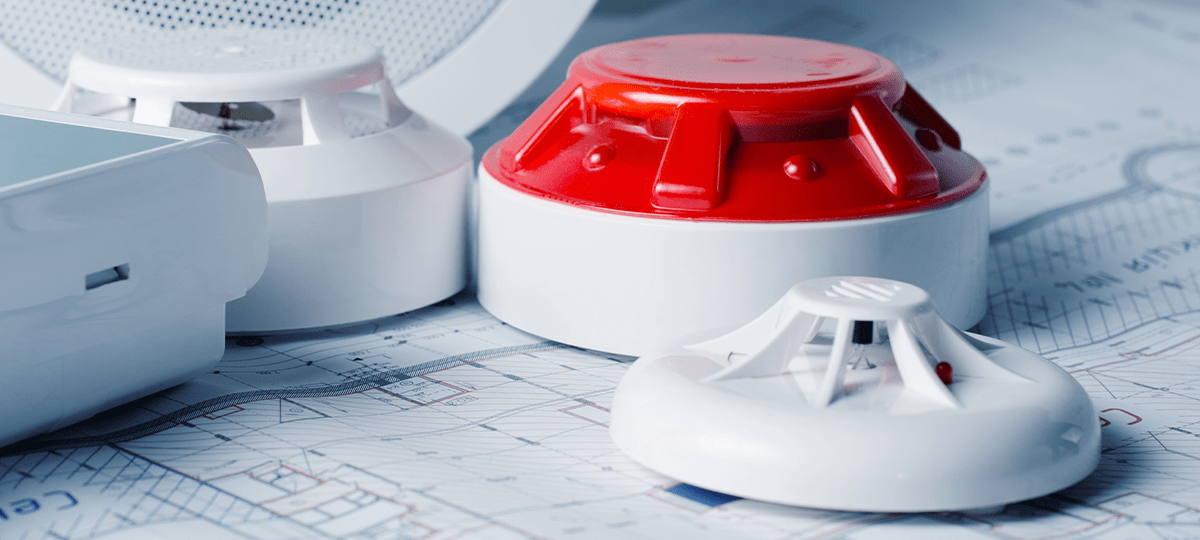
Smoke Detector Placement Fire can spread extremely fast. In just minutes, a building can be fully engulfed in flames. Smoke detectors are critical to give people inside homes and commercial buildings early warnings so they have time to get out. Proper smoke detector placement is also key when it comes to keeping your home or business safe. Residential Smoke Detector Placements At a minimum, The National Fire Protection…
Code Requirements for Commercial Fire Alarms
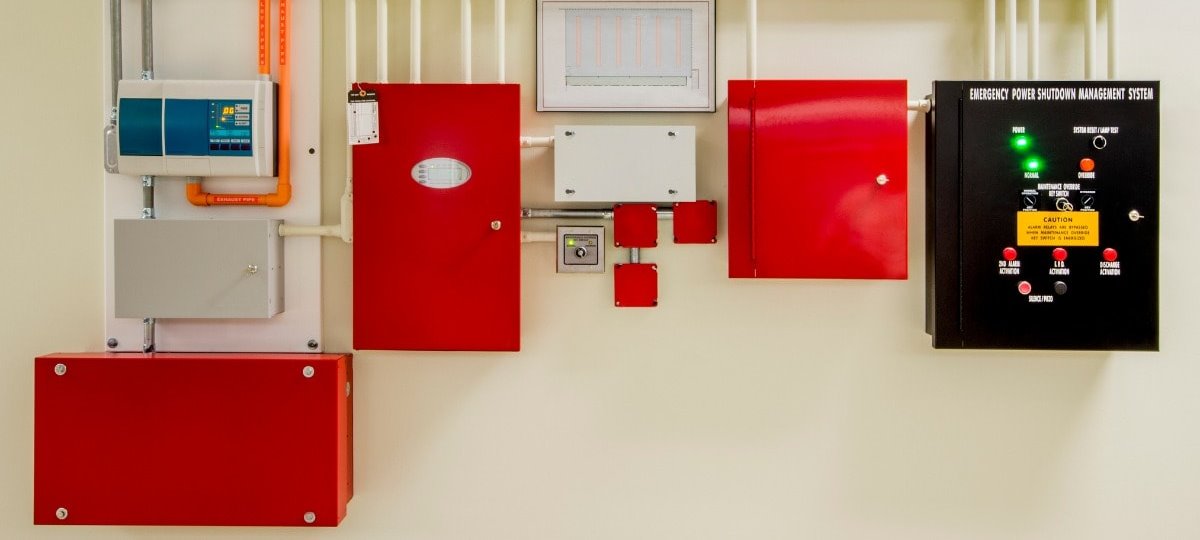
The International Code Council The purpose of commercial property is for business or retail use, and the International Code Council (ICC) is a nonprofit association that develops model codes and standards used worldwide to construct safe, sustainable, affordable, and resilient structures. The fire codes vary depending on the type of business you run. For example,…

Items Burglars Want Most
Burglars move quickly. Because they tend to spend as little as ten minutes inside a home or business, several big-ticket items tend to fall prey to thieves. While some items on our list come to mind instantly, some may be more subtle. Outside of installing a security system, taking extra steps to secure your items…
Emergency Egress 101 for Commercial Buildings
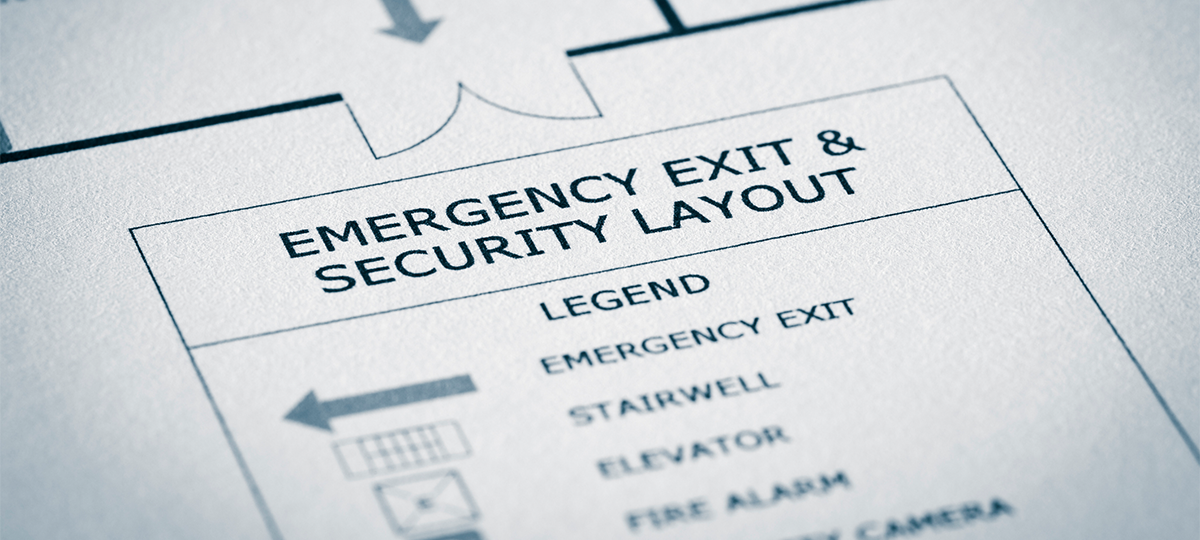
When people think about emergency egress, they usually picture exit signs and the nearest door. In reality, egress is the entire route occupants rely on to get out quickly and safely—often under heightened stress, reduced visibility, and crowded conditions. When a means of egress isn’t clear or usable, even a minor emergency can turn into…
Can Your CCTV and Access Control Systems be Integrated?
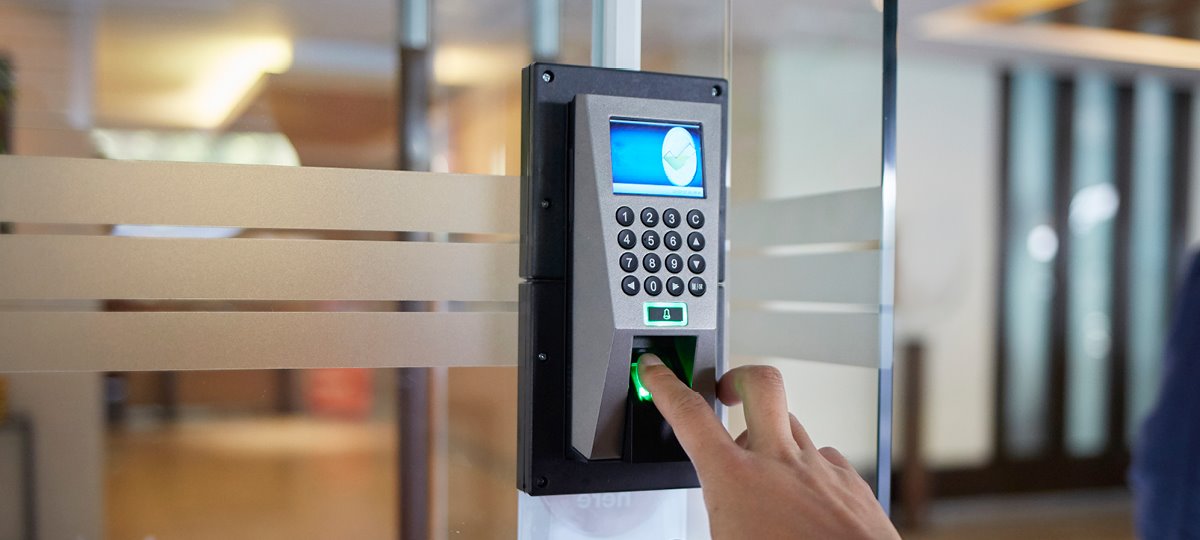
When setting up security for your business, you might consider adding CCTV and access control systems. These two security measures work great to deter crime on their own, and provide even greater security when integrated. This pairing has many advantages, but it is also a complex setup that may not be right for you. There…
What are the Components of a Security System?
Security systems can vary widely in size and scale: from simple home alarms and small business surveillance systems to commercial-grade intrusion and detection systems. One system could even be comprised of enterprise-level networks that stretch across multiple locations. Understanding the essential components of a security system is the best way to start your search for…