Monitored vs. Unmonitored Security Systems
If you’re thinking about installing a security system, you may be wondering if monitoring is a necessary feature. While an unmonitored system is better than nothing at all, there are some critical things you should consider before making a decision.
The Benefits of Monitoring
The noise and commotion caused by the sirens and lights associated with an alarm system might scare off a thief in the night, but only a monitored security system can provide you with comprehensive protection in the event of an emergency.
What if there is a fire or carbon monoxide leak? What if the occupants of the home or business are incapacitated? Instead of having to rely on your neighbors or a passerby to be alerted to the commotion, a monitored system provides highly trained technicians in a central facility at your disposal. In situations like these, having emergency personnel arrive on the scene as quickly as possible is paramount, and monitoring adds a valuable extra layer of security to your investment.
If you choose to install an alarm system without monitoring, you may want to consider the elements that we have listed below.
How Will You be Alerted if Your Alarm is Triggered?
An unmonitored system might send you a text message or email. If you are asleep or do not have access to your mobile phone, you might be unable to see and respond to the message. With a professionally monitored account, operators are watching your alarm 24/7. They will dispatch the police on your behalf if you are somehow unreachable because you’re in a bad cell area, on vacation, in a meeting, or even asleep. They will still try to call you to ask for instructions, but if the operators can’t reach you, they will dispatch the police and fire department. The dispatchers will also have a list of friends, neighbors, or relatives the customer trusts to investigate an alarm.
In the event of a CO (carbon monoxide) alert, the people in the house might be unconscious. If there is a fire, smoke might prevent the occupants from calling the fire department. If a burglary turns into a home invasion, the intruder could very well use force to prevent the homeowner from calling the police. But if the operator calls and doesn’t get a response, they will assume the incident is legitimate and send the proper authorities.
Additionally, with a monitored account, the customer can have panic buttons (like a holdup button at a cash register, but portable). If something is happening, the customer can press the panic button, and the operator dispatches the police immediately. This is impossible with a non-monitored alarm.
Similar protection includes ambush and duress codes. An ambush code is a code that disarms an alarm system but silently sends an ambush signal to the monitoring center. You use this if you’ve been ambushed (hence the name), and the bad guy is making you disarm your own system.
A duress code is a fake password the customer provides to an operator who has called them asking if they are okay and if they need the police dispatched. This code alerts the operator that you are under duress, and someone is making you give out your password to prevent a police dispatch. The operator plays along but dispatches the police after the call.
Only a professionally monitored system allows you to use panic signals, ambush codes, duress codes and have the police and fire department arrive when you are unaware of the alarm or incapacitated.
What Will You Do Once You Have Been Notified?
A non-monitored security system provides limited options after an alarm has been triggered. Once you receive the text that the alarm has gone off, you may have a couple of different options depending on the type of system you’ve installed. If you have a system with security cameras recording footage at specific entrances and you have web-based access to the footage, you can log into the wireless camera to look at the footage and decide if you want to call the police.
Other options would include calling a neighbor to check on your home or calling your local police department immediately. Keep in mind that some municipalities charge you a fee if called for too many false alarms and that if you are far from home, a call to 911 will be redirected to a local dispatch center that will not be able to respond to your property.
A monitored security system allows you to bypass these steps by having the monitoring center instantly contact the police or fire department for you if they need to be dispatched. You won’t have to fumble around to look up the right number. The alarm signal will also tell the operator-specific information about where the potential burglary or fire is occurring, and they will update the police and fire departments as more information comes in.
Do You React Well to High-Stress Situations?
Maintaining control is the scariest part of self-monitoring an alarm system. Research indicates 75 percent of people become mentally paralyzed in a life-threatening situation and are not able to think clearly or plot their escape. If you hear a window shatter in your home during the middle of the night, do you feel confident in your ability to react quickly and appropriately? The operators at a central alarm station are highly trained and are prepared for the worst.
If you are thinking about installing an alarm system for your home or business and want to learn more about your options, give us a call. Our friendly team of security experts provides free estimates. FSS can monitor your fire alarm, burglar alarm, or cameras, all without you breaking the bank. Reach out to us, and we’ll help figure out what works for you.
Explore Our Other Blogs

Who Are the Best Security Companies in Indiana?
Finding the right company to install and monitor the security in your home (or business) is an important choice. You need to know and trust the people who will be responsible for keeping you safe. In Indiana, we know that there are many teams ready and capable of protecting your home and business. To help…
Spring Cleaning Your Security System
The unofficial countdown to summer begins for many of us each year as we “spring forward” into daylight saving time, moving the clock forward one hour to give us an extra hour of sunlight at the end of every day. Since this is the time of the year when we change our clocks, it is important…
Fire Alarm Troubleshooting Tips
Your commercial fire alarm system plays a critical role in protecting your building, occupants, and operations. When it works as intended, it provides early warning and supports a safe, coordinated response from your team and first responders during an emergency. When it doesn’t, even small issues can lead to compliance concerns, inspection findings, or unnecessary…

How to Maintain a Commercial Security System
Updated May 2023 With the latest advances in security technology, it’s becoming easier for small businesses to find a security system that works for their needs. Whether your business just installed your commercial security system or has been utilizing security measures for some time, proper maintenance will increase the life of your system and provide…

Fire Safety Procedures for the Workplace
The bad news—a fire breaks out in your workplace. The good news—you are ready because you have done your homework and prepared for the possibility of an emergency. Emergency Action Plan The Occupational Safety and Health Administration (OSHA) requires most employers to have an emergency action plan for various scenarios, including fires in the workplace. There are…
Does My Business Need an Access Control System?
Does My Business Need an Access Control System? Before determining whether your business could benefit from an access control system, let’s go over the different types and their capabilities. In short, an access control system is a type of security system that lets you control who, where, and when someone can enter or exit your…
Can You Get in Trouble for Breaking into Your Own House?
Is it legal for you to break into your own house? Yes, you can get in trouble for breaking into your own house—at least temporarily. If the police are notified that there is a break-in at a residence, either by a neighbor or a security alarm, they can detain or arrest you until you can…

How to Conduct a Physical Security Audit
Protecting your livelihood is at the top of every business owner’s mind, but how do you know if your business is truly protected? By performing a physical security audit, you can fully assess any threats that your business might be subject to and take the necessary steps to mitigate those threats. During a physical security audit, each aspect of the business and its security…

How to Choose a Security Monitoring Company
A security monitoring company is one that specializes in monitoring your alarm system. If the system detects an issue, such as a fire, break-in, or another emergency, it notifies a response team at the central monitoring agency, and sometimes, it will even inform emergency responders such as police or firefighters. Most reputable monitoring companies can…
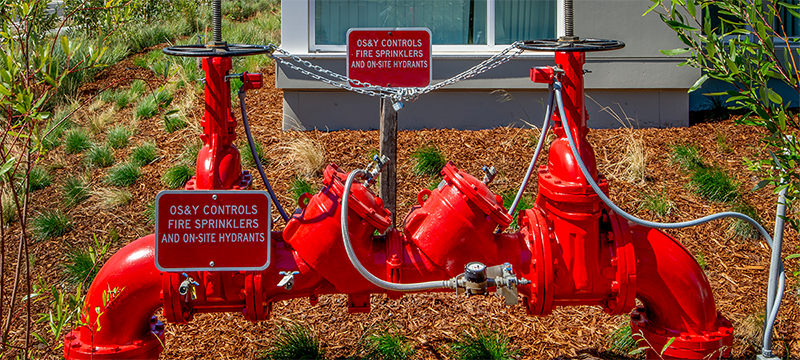
What is a Backflow Prevention Device?
Backflow prevention devices aren’t the most visible part of a building’s fire sprinkler system, but they still play an important role at the water supply connection. If water ever reverses direction in the system’s piping, it can pose a contamination risk to the potable water system. That’s why many local water authorities require backflow prevention…