Cons of DIY Home Security Systems
When considering getting a home security system, some people might assume they can set up a fully functioning system themselves. The reality is that DIY systems come with some significant drawbacks. Here are some of the things to consider before you decide to take on this project yourself.
Not Professionally Installed
The importance of having your system set up by a professional with experience can’t be overstated. DIY systems are deceptively tricky to install. Manufacturers of these systems often claim that the setup is easy, quick, and straightforward. However, the install time is an average of 7 hours, with the first 4 hours spent struggling with the system before calling customer service. Because of this, roughly 40% of people who purchase these systems return them within one month. An experienced installer can set up a system without wondering how all the pieces are supposed to fit together; they can do it far more quickly and with fewer errors. Our technicians, for example, can install a complete security system in under 2 hours. There’s no need to deal with tech support. You can breathe easy knowing all the right boxes have been checked and everything is guaranteed to work.
One final reason to consider a professional installation process is that camera angles and locations are pivotal to the quality of your security system. Similarly, window and motion sensors should be placed strategically to ensure they are covering important zones in your home.
You Are Stuck with Any Problems
If you find that a particular part of your DIY system isn’t working correctly, you may have to figure it out yourself. A faulty setup could end up rendering the entire system useless and would put you at risk of having an undetected break-in. Unfortunately, DIY manufacturers often provide limited warranties or support, which means trying to troubleshoot an issue could quickly turn into a nightmare. You may be able to get some basic questions answered about the equipment, but you won’t get the same level of assistance that you would from a company that installs and manages everything themselves.
In addition, you’re also responsible for the cost of any repairs. Most traditional alarm companies will replace faulty equipment free of charge or at a reduced cost, but with the DIY route, you pay 100% of the price if something needs to be replaced. You also get hit with higher equipment costs from the start if you install it yourself, since security companies may not provide warranties if they can’t guarantee that everything is installed correctly.
Some DIY systems, like SimpliSafe, fail to have their products meet NRTL standards. OSHA created the NRTL (Nationally Recognized Testing Laboratory) program to ensure that certain types of equipment are tested and certified for their safe use. NTRL is a private-sector organization that OSHA has recognized as meeting the legal requirements to perform testing and certification of products using consensus-based test standards. Some of their components meet these standards, but the most critical equipment (i.e., the base station) does not. This lack of proper testing leaves systems like SimpliSafe open to exploitation and hacking.
The Bottom Line
Advantages of a DIY system are often quickly outweighed by the disadvantages. The supposed “cheap and easy” solution is usually more expensive and difficult than anticipated. Be sure to consider which options will provide you and your family the most comprehensive, reliable, and stress-free solutions. If you’re considering getting a security system, our specialists are happy to help with any questions. We can help you explore and navigate the myriad of options to ensure you end up with the best possible solution to your scenario.
A professional security system is often more affordable than you may think, so give us a call to learn more.
Explore Our Other Blogs
How Do Fire Alarm Control Panels Work
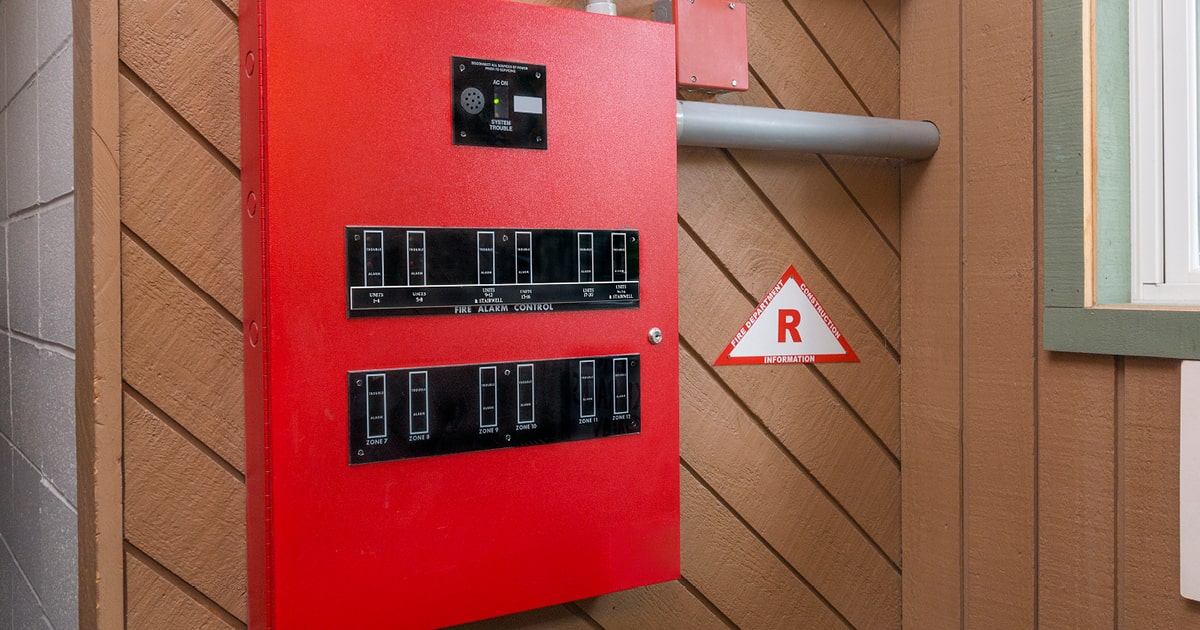
A fire alarm control panel is the brain of any commercial fire system. It constantly monitors connected devices, processes signals, and activates alarms when necessary. Understanding how a control panel works can help business owners, facility managers, and safety professionals recognize just how vital this piece of equipment is in protecting people and property. What…

Business Fire Alarm Installation Guide
A fire alarm system is part of the business security system that keeps your business, property, and employees safe. A fire can become life-threatening in two minutes and can engulf a building within five minutes. Your business could go up in flames in a matter of moments without the proper equipment and detection systems in place to protect everything…
ADT Home Security Settlement
ADT home security is facing a class-action lawsuit. The plaintiffs allege that ADT failed to disclose wireless sensors’ vulnerability to evasion and jamming. Why should you care? Although this settlement is for ADT, this is a vulnerability all wireless security systems face. Let’s talk about wireless technology for a second. All home Wi-Fi networks are…

Renter’s Insurance Discounts and Security Systems
Home invasions or burglaries are a threat to any household, regardless of where they are located. One of the biggest deterrents for burglars is a home security system that could record evidence of their actions or could notify the authorities at the time of a break-in. This is a huge motivator for homeowners when deciding…

How Does Fire Alarm Monitoring Work?
According to the National Fire Protection Association (NFPA), there is a fire reported in the United States every 23 seconds. If a fire occurs in your home or business, you want to be notified right away. You might be asking yourself, so how does this work? How can I ensure I am protected at all…

What Causes False Alarms on Home Security Systems
False alarms on home security systems are not only an annoyance for homeowners, but they take up the valuable time and resources of our local law enforcement officials. In fact, many cities and towns now charge homeowners a fee for false alarms. In order to save you the frustration and potential financial hit, let’s look…
Can You Get in Trouble for Breaking into Your Own House?
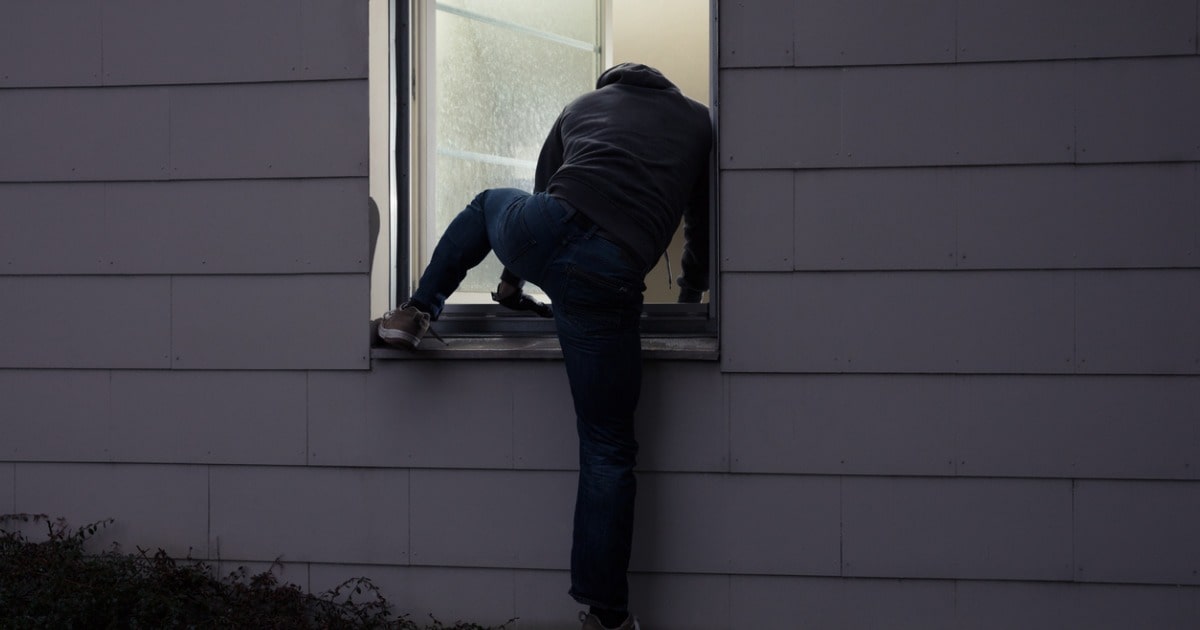
Is it legal for you to break into your own house? Yes, you can get in trouble for breaking into your own house—at least temporarily. If the police are notified that there is a break-in at a residence, either by a neighbor or a security alarm, they can detain or arrest you until you can…

Spring Cleaning Your Security System
The unofficial countdown to summer begins for many of us each year as we “spring forward” into daylight saving time, moving the clock forward one hour to give us an extra hour of sunlight at the end of every day. Since this is the time of the year when we change our clocks, it is important…

Why Emergency and Exit Lighting Matter
Emergency lighting and exit lighting are vital components of life safety systems. They’re a standard part of any commercial structure and not as noticeable on a normal day. When power fails or a disaster happens, these lights guide people to safety, helping prevent panic and ensuring clear evacuation routes for everyone in a building. Whether…
What is a Backflow Prevention Device?
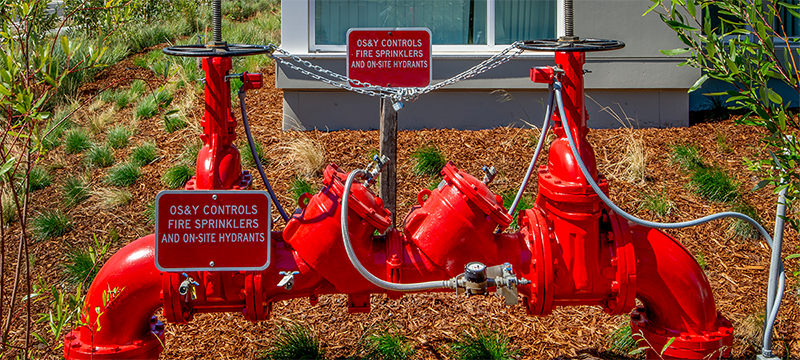
Backflow prevention devices aren’t the most visible part of a building’s fire sprinkler system, but they still play an important role at the water supply connection. If water ever reverses direction in the system’s piping, it can pose a contamination risk to the potable water system. That’s why many local water authorities require backflow prevention…