Everything You Need to Know About Carbon Monoxide Detectors
What is a Carbon Monoxide Detector?
Carbon monoxide (CO) is a colorless, odorless, and tasteless gas or liquid that is poisonous to humans. Detectors are designed to identify carbon monoxide leaks and warn those in your home or business. This advanced warning can save lives as it allows you to get outside as fast as possible before being affected by the noxious gas.
The most common sources of carbon monoxide in a home are the furnace, dryer, and chimney. A broken or clogged vent can lead to a leak that can quickly turn into a preventable home emergency. In the workplace, the gas is typically caused by ovens, furnaces or even internal combustion engines.
A carbon monoxide detector determines the parts per million (ppm) of carbon monoxide in the air. Carbon monoxide is dangerous to humans after extended exposure of 150 to 200 ppm.
Carbon Monoxide Detector Placement
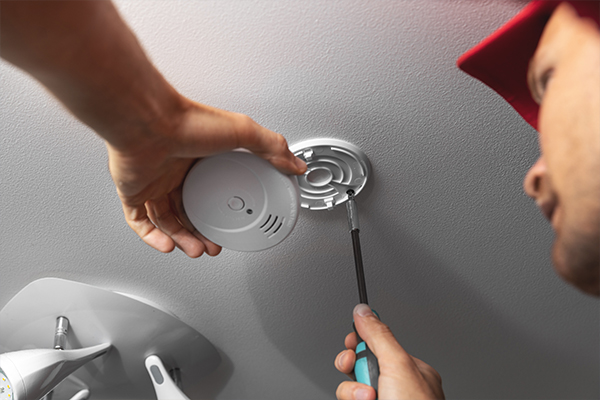
Carbon monoxide detectors, similar to smoke detectors, should be placed on every level of your home, as well as in every bedroom, sleeping area, and common rooms. It is best to place the detector about five feet from the ground. Any detectors used in sleeping areas should be set to an alarm level that will wake you up.
Avoid placing a detector above a fireplace or other flame-creating appliances.
How to Test
Test your detector’s batteries each month and replace the batteries every six months or as directed by the device’s manual.
Beeping
Beeping can signal an issue, but it is essential to know your alarm setting to be able to distinguish a low battery beep from a life-saving alert.
In Case of a Carbon Monoxide Leak
If your carbon monoxide detector alerts you to a dangerous level of CO in the air, you need to leave the building immediately and make sure to evacuate any children or animals. Once safely outside, call 911.
When to Replace
Carbon monoxide detectors, like fire alarms, have an expiration date. These devices can become less sensitive over time and should be replaced every five to seven years.
If you are looking to install or replace your carbon monoxide detectors, contact the fire and security experts at FSS Technologies. We can help you install and test your detectors or talk to you about the elements of a fire alarm system.
Explore Our Other Blogs

Smoke Detectors for the Hearing Impaired
What are Visual Fire Alarms? If a fire breaks out, occupants of a building may have as little as two minutes to get out before the fire becomes life-threatening. Fire alarms provide an early warning notification and alert people to evacuate, but what if you are deaf or hearing impaired? How do you know there…
What Is Alarm.com?
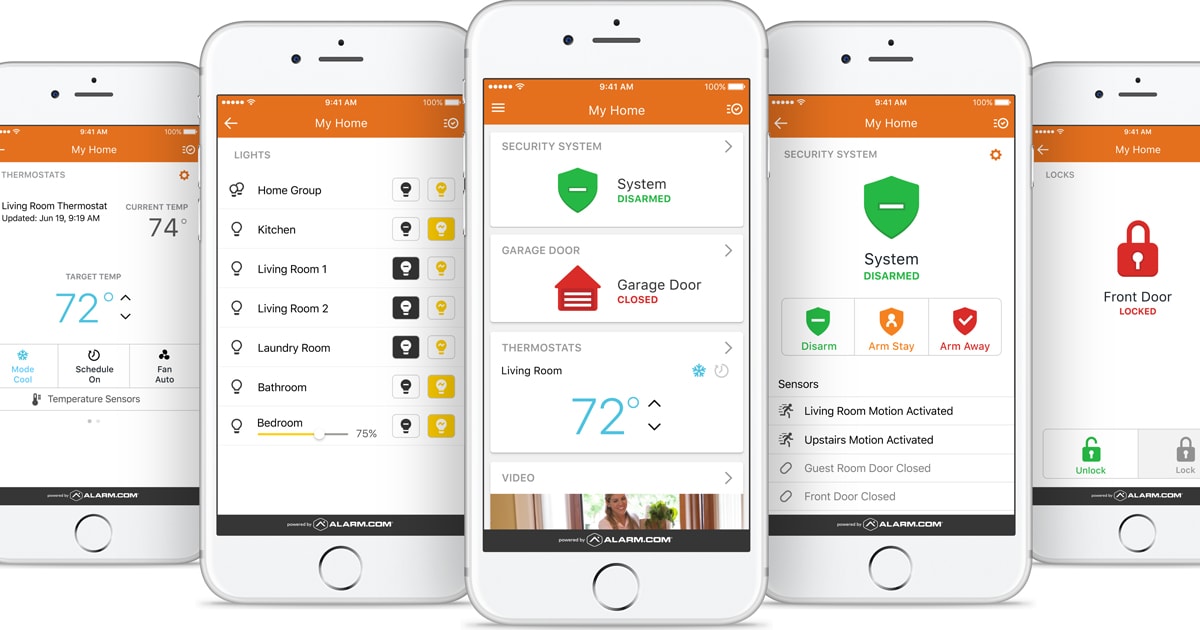
How Does Alarm.com Work? Alarm.com is a cloud-based service that allows customers to manage their security alarms and home automation systems remotely. Alarm.com does not manufacture security components, like alarm panels and cameras. Instead, its cutting-edge software is integrated into hardware systems provided by highly regarded manufacturers. What sets Alarm.com apart? Alarm.com Products Alarm.com’s partnership…

What is Video Alarm Verification?
Video alarm verification is a tried-and-true technology that is an underused component in residential and commercial security systems. Video alarm verification adds an extra element to your overall security by partnering your security system with an alarm monitoring center. When an alarm is triggered, video alarm verification allows monitoring center employees to view the situation…
Does My Business Need an Access Control System?
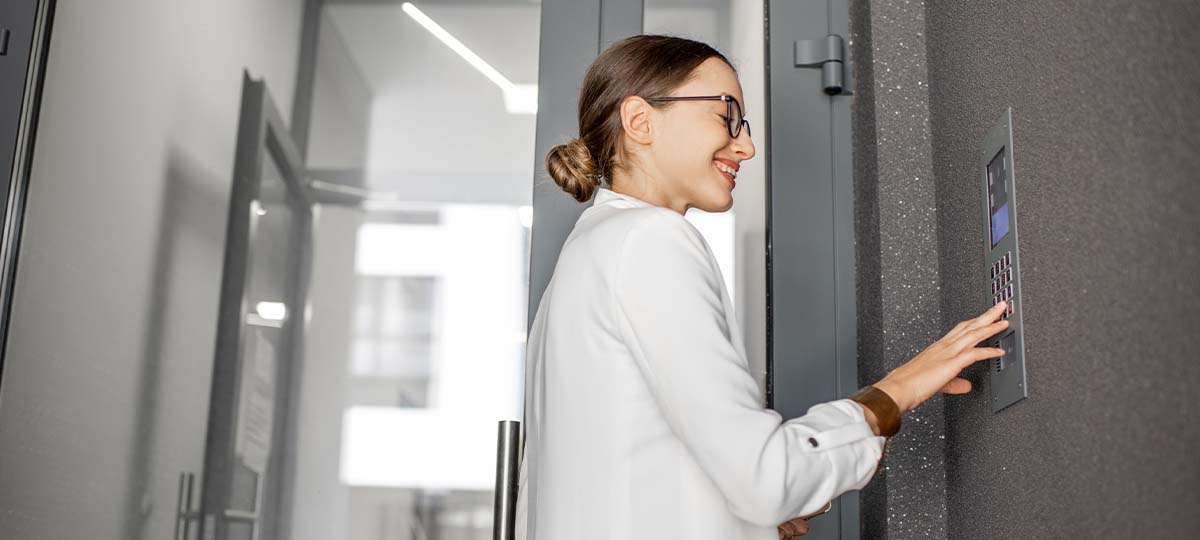
Does My Business Need an Access Control System? Before determining whether your business could benefit from an access control system, let’s go over the different types and their capabilities. In short, an access control system is a type of security system that lets you control who, where, and when someone can enter or exit your…

Tips to Prevent Your Security System from Being Hacked
The Risky Business of Ring’s Vulnerable Security and other DIY security systems can leave your home as a potential target for hackers or thieves. When you are investing in a security system, you are hoping for peace of mind, and you are trusting this technology with your safety and property. Have I Been Hacked? A hacker may…

How to Maintain a Commercial Security System
Updated May 2023 With the latest advances in security technology, it’s becoming easier for small businesses to find a security system that works for their needs. Whether your business just installed your commercial security system or has been utilizing security measures for some time, proper maintenance will increase the life of your system and provide…

Has Chicago’s CCTV System Helped Lower Crime Rates?
It’s been 19 years since the Chicago Police Department (CPD) kicked off its pilot of Police Observation Devices (PODs). Today, there’s a network of 50,000+ surveillance cameras in use all over the city. But Are They Working? This simple question has no simple answer. According to the Chicago Police Department, in some areas, narcotic related crimes…

Cons of DIY Home Security Systems
When considering getting a home security system, some people might assume they can set up a fully functioning system themselves. The reality is that DIY systems come with some significant drawbacks. Here are some of the things to consider before you decide to take on this project yourself. Not Professionally Installed The importance of having…

Are You a Spectrum Customer Losing Service?
When Spectrum closed the doors on its home security system business in February 2020, many customers were left high and dry. The Spectrum Backstory Spectrum is a subsidiary of Charter Communications, the second-largest cable provider in the country offering service in 42 states. Charter inherited Spectrum in a 2016 merger with Time Warner Cable and Bright House…

DIY Security Systems
DIY home security systems have been on the market for years, offering homeowners the ability to order and install a simple-to-use system for their property. A DIY system often boasts cheap and easy security solutions for a home but are not the right fit for all homes. Cost-Benefits As with almost everything in life, cheaper isn’t…