Cons of DIY Home Security Systems
When considering getting a home security system, some people might assume they can set up a fully functioning system themselves. The reality is that DIY systems come with some significant drawbacks. Here are some of the things to consider before you decide to take on this project yourself.
Not Professionally Installed
The importance of having your system set up by a professional with experience can’t be overstated. DIY systems are deceptively tricky to install. Manufacturers of these systems often claim that the setup is easy, quick, and straightforward. However, the install time is an average of 7 hours, with the first 4 hours spent struggling with the system before calling customer service. Because of this, roughly 40% of people who purchase these systems return them within one month. An experienced installer can set up a system without wondering how all the pieces are supposed to fit together; they can do it far more quickly and with fewer errors. Our technicians, for example, can install a complete security system in under 2 hours. There’s no need to deal with tech support. You can breathe easy knowing all the right boxes have been checked and everything is guaranteed to work.
One final reason to consider a professional installation process is that camera angles and locations are pivotal to the quality of your security system. Similarly, window and motion sensors should be placed strategically to ensure they are covering important zones in your home.
You Are Stuck with Any Problems
If you find that a particular part of your DIY system isn’t working correctly, you may have to figure it out yourself. A faulty setup could end up rendering the entire system useless and would put you at risk of having an undetected break-in. Unfortunately, DIY manufacturers often provide limited warranties or support, which means trying to troubleshoot an issue could quickly turn into a nightmare. You may be able to get some basic questions answered about the equipment, but you won’t get the same level of assistance that you would from a company that installs and manages everything themselves.
In addition, you’re also responsible for the cost of any repairs. Most traditional alarm companies will replace faulty equipment free of charge or at a reduced cost, but with the DIY route, you pay 100% of the price if something needs to be replaced. You also get hit with higher equipment costs from the start if you install it yourself, since security companies may not provide warranties if they can’t guarantee that everything is installed correctly.
Some DIY systems, like SimpliSafe, fail to have their products meet NRTL standards. OSHA created the NRTL (Nationally Recognized Testing Laboratory) program to ensure that certain types of equipment are tested and certified for their safe use. NTRL is a private-sector organization that OSHA has recognized as meeting the legal requirements to perform testing and certification of products using consensus-based test standards. Some of their components meet these standards, but the most critical equipment (i.e., the base station) does not. This lack of proper testing leaves systems like SimpliSafe open to exploitation and hacking.
The Bottom Line
Advantages of a DIY system are often quickly outweighed by the disadvantages. The supposed “cheap and easy” solution is usually more expensive and difficult than anticipated. Be sure to consider which options will provide you and your family the most comprehensive, reliable, and stress-free solutions. If you’re considering getting a security system, our specialists are happy to help with any questions. We can help you explore and navigate the myriad of options to ensure you end up with the best possible solution to your scenario.
A professional security system is often more affordable than you may think, so give us a call to learn more.
Explore Our Other Blogs

What Is an Area of Refuge?
Area of Refuge Systems An area of refuge, also known as an area of rescue assistance, is a place within a building where people can safely wait for rescue and call emergency responders for help. An area of refuge is part of U.S. federal law, enacted in 1990 as part of the Americans with Disabilities Act….
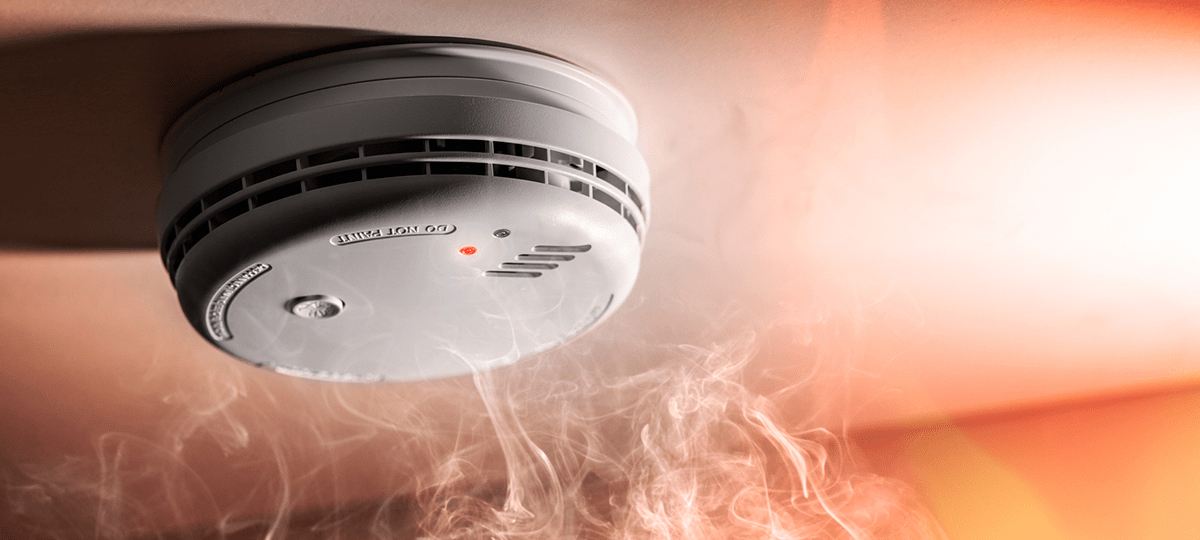
Kidde: Innovations in Fire Safety
Your fire alarm system can protect your family, home, and belongings from fires, gas leaks, and other hazards. FSS Technologies is committed to providing its customers with top-of-the-line fire safety and emergency prevention technology, which is why we are a proud provider of products from Kidde, North America’s most installed fire safety brand. Learn about…

What to Do if Someone Breaks into Your House
Arriving home to find that your home has been burglarized is one of the worst feelings someone can have. You’re left feeling raw, vulnerable, and angry. In this time of high stress, it may be hard to put your thoughts together to remember everything that now needs to be done. We have put together a list…

5 Common Fire Safety Violations
For business owners, maintaining a commercial fire safety system is crucial for day-to-day protection. Ensuring your system and its components are in order is especially important when your business’ fire inspection occurs each year. Even if you do everything you can to prepare for your next fire inspection, you may only realize you missed something…

Choosing a Safe Neighborhood in Chicago
There are a lot of great places to live in Chicago. From the historic vibe of Printers Row to the ultra-stylish River North, there are neighborhoods to fit every personality. But are they safe? It turns out, many of them are. According to Niche.com—which ranks neighborhoods based on crime, schools, cost of living, etc.—the short commuting times…

Who Are the Best Security Companies in Indiana?
Finding the right company to install and monitor the security in your home (or business) is an important choice. You need to know and trust the people who will be responsible for keeping you safe. In Indiana, we know that there are many teams ready and capable of protecting your home and business. To help…
Items Burglars Want Most
Burglars move quickly. Because they tend to spend as little as ten minutes inside a home or business, several big-ticket items tend to fall prey to thieves. While some items on our list come to mind instantly, some may be more subtle. Outside of installing a security system, taking extra steps to secure your items…
Vacation-Proof Your Home
When planning a vacation, you are almost always considering what clothes to pack or booking a place to stay. But while you are away, you need to make sure that your home will be safe from burglars or thieves who may target an empty home. Before you pack up and leave for your vacation, there…

Fire Prevention, Protection, and Suppression Systems
Fire safety is a crucial matter that every business should prioritize. Whether it’s caused by arson or an accident, a fire can cause catastrophic damage to a company’s property, inventory, and equipment if the proper protection measures aren’t in place or there are operational issues. In more unfortunate cases, insufficient fire safety standards can put…

5 Ways Your DIY Security System is Failing You
In the digital age, DIY projects are the rage in all things, including home security. People turn to DIY home security because it seems easy and can save you a few bucks. Unfortunately, you really do get what you pay for if you choose a DIY security system. Whether you are a homeowner, a business owner, or…