DIY Home Security Cameras

DIY Security Systems Are the New Fad
There are many pre-configured, DIY home security system kits on the market. They are sold under various brand names including Ring, Nest, SimpliSafe, and others.
The basic idea of a DIY home security system is that you pay one low fee to purchase all of the equipment and instructions you need to install a home security system yourself, eliminating professional installation charges and subscription fees.
What Is Included With DIY Security Systems?
Most kits generally come with a limited selection of components, such as one camera, one hub, and one motion sensor, and then you can add additional components as needed. One of the many challenges with DIY home security systems is that within the parts provided you don’t have a lot of options, and it may turn out that the features or quality of the components aren’t up-to-par for your needs.
A specific example is your security camera. Cameras are one of the most critical security components in your arsenal, and not all cameras give you the results you’re looking for. Since the equipment of many DIY systems are not compatible with equipment from other manufacturers, even if you want to pay to add-on a camera of better quality, it won’t be possible.
What Should I Know About Security Cameras?
With any investment, it’s critical to do your homework. Here are a few key questions you should ask about security cameras:
- How many cameras can the system support, and can it support cameras from other manufacturers? – You’ll hear systems called 2-channel, 4-channel, 16-channel, etc., which determines how many cameras the system can support. It’s best to purchase a system that can support a few more cameras than you think you’ll need – in case you want to add any down the road. Also, ask if a security system is proprietary or not. If it is proprietary, you may not be able to use cameras from other manufacturer’s on the system.
- What is the image quality of the camera that comes with the system? – If the image quality of the camera is weak, the authorities won’t be able to use your video to identify suspects or read license plates. For high definition quality video, you need a 1080p camera, a camera resolution that provides 1920 x 1070-pixel resolution, or 2.1 megapixels.
- Can the camera be used at night? – If you need your camera to record video at night, you’ll need to ensure your camera has night vision and that the area around the camera is properly lit, or that your camera has a wide aperture to allow details to be seen in low light.
- What is the field of view of the camera? – Depending on how wide the area you need to monitor, you will need a camera with a larger field of view.
- Does the camera have local storage? – You must have a place to store the video that your camera(s) is recording. It’s called your Network Video Recorder (NVR). If your camera doesn’t have one built-in, then you will have to pay for cloud services to store your video (that’s a gotcha some companies use to rope you into monthly fees). The amount of hard drive storage available in your NVR will determine how many videos you can record and for how many days you can keep them.
Problems During Installation
When it comes to installation of your DIY security cameras, many homeowners run into issues they weren’t expecting and need professional installation assistance anyway.
- Do I have the necessary Internet bandwidth to support the cameras I want on my security system? – See our blog on What upload speed do I need for security cameras?
- How is the security camera powered? – Just because it is a wireless camera, it doesn’t mean there are no wires involved. Wireless refers to how the camera transfers data, not how it is powered. It will need to have a power source, either battery (which needs to be changed) or an electrical outlet.
Other Considerations
Other questions you need to consider when choosing home security cameras include:
- Does the camera come with 2-way audio (if you want to talk to someone at the front door)?
- Do you even want a wireless camera (it might not be the best option since Wi-fi isn’t always reliable and can be hacked)?
- Do you want redundant storage of your security videos (copies of your security videos)?
While a DIY security system may sound like a good idea initially, you may find that in the long run it doesn’t fit your needs and ends up being a waste of time and money.
Security systems from FSS Technologies are reliable and much more affordable than you think. Call us today to learn more.
Explore Our Other Blogs

Has My Home Security System Been Hacked?
With more DIY security systems than ever available with the touch of a button, families around the world are choosing to protect their homes with easy to install cameras and alarms. The expert team at FSS Technologies aims to help homeowners make the right choice for their families when selecting a home security system. A…
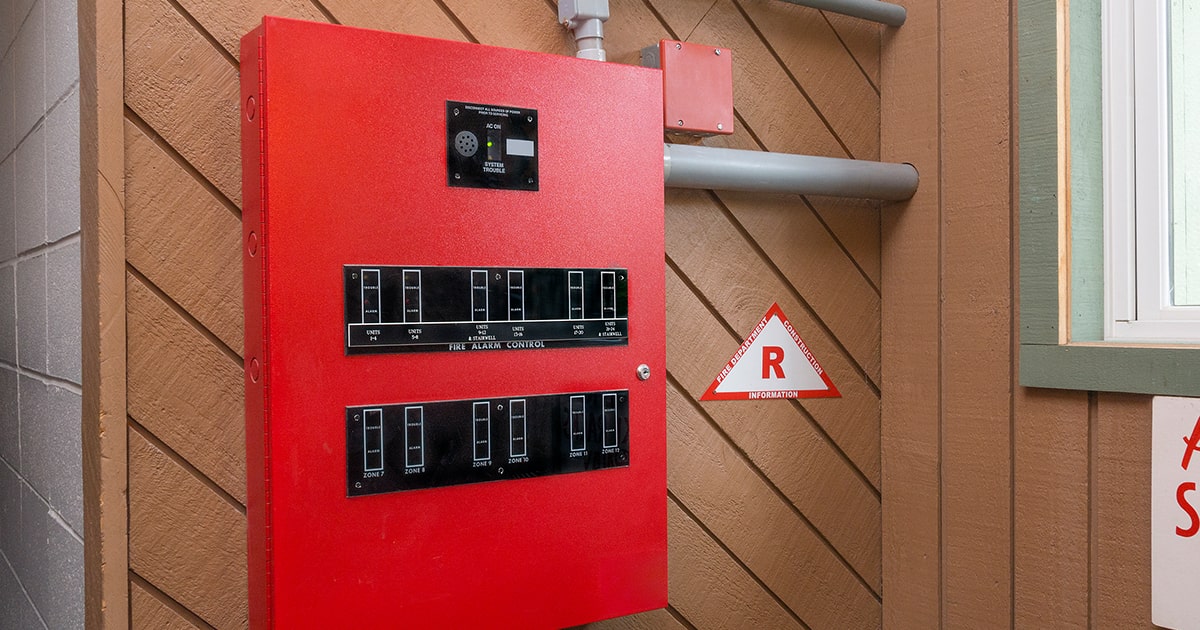
What Are Fire Alarm System Zones?
Fire alarm zones are standard in conventional fire panels. Each zone represents a different area in the building to help firefighters and professionals pinpoint the source of an alarm. However, it can be confusing to research fire alarm zones because they are not as common as they once were. Conventional and addressable systems handle communication for fire…
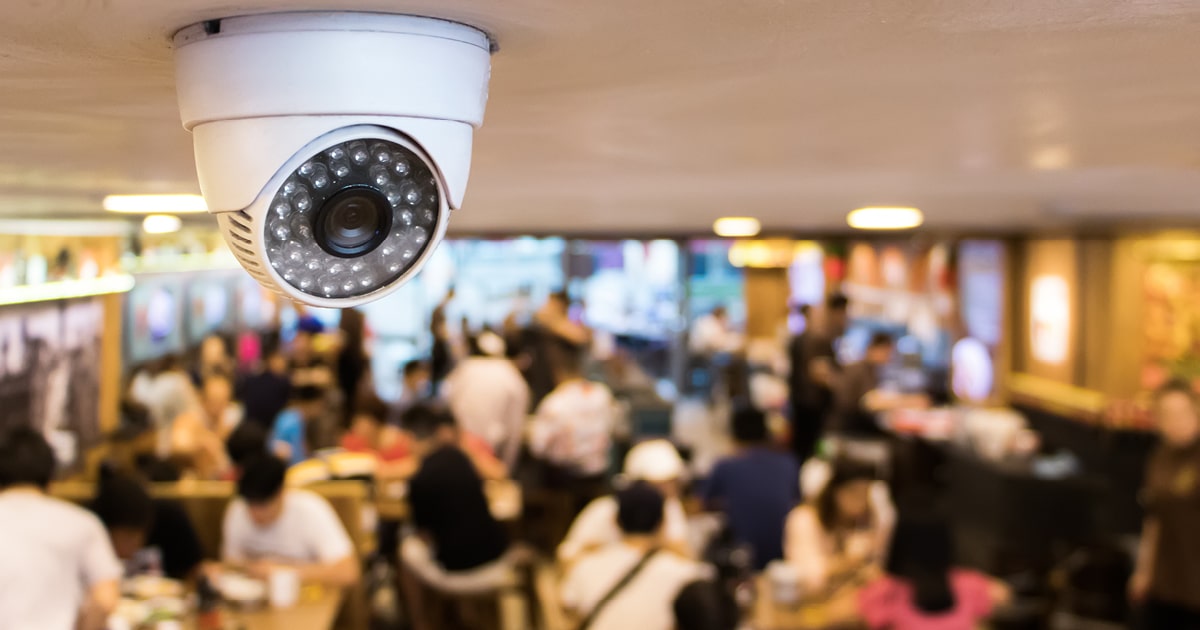
Business Security Camera Placement Guide
Security camera placement in a business needs to be strategically decided based on several important factors. Areas that store valuables, have high foot traffic, and enable access to your building should be some of the essential locations. Learn more about what kinds of security cameras you can use and where they should be installed in…
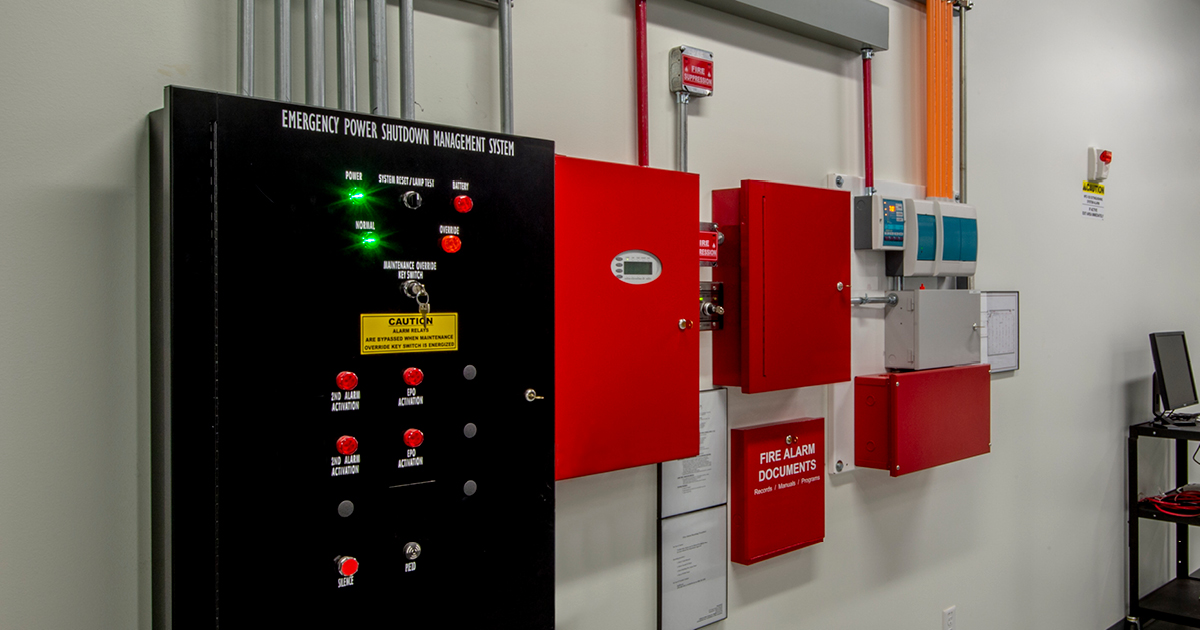
Addressable vs. Conventional Fire Alarms
When determining what type of fire alarm systems are best for your business, it boils down to your choice between a conventional and addressable alarm system. The combination of smoke, heat, and carbon monoxide detectors work together with your control panel to keep your business safe. Additionally, you will need to determine what kind of automatic…
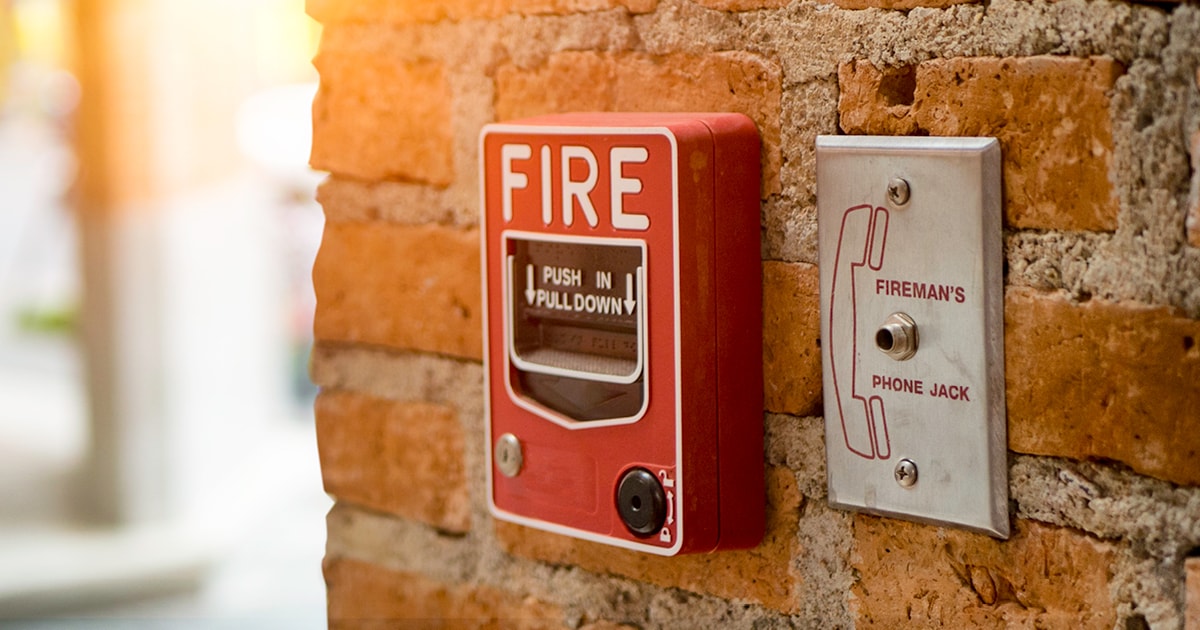
Where Should Fire Alarm Pull Stations Be Located?
While they generally go unnoticed until a moment of need, fire alarm pull stations are an integral part of a business or large residential building’s commercial fire system. What is a fire alarm pull station? As opposed to a smoke detector or sensor, human intervention activates a manual pull station and is the catalyst for setting…
How Much Data Does a Wifi Security Camera Use?
Internet Speed Bandwidth Internet bandwidth is a significant issue nowadays. Everything is tapping into the internet— from our phones to our refrigerators. If you’re installing internet protocol (IP) security cameras, they will inevitably use some of the bandwidth from your network. The question is, how much? When you purchase home internet service, you typically get…
Smart Homes: How Automation Helps
Home automation solutions are no longer the ideas of science fiction. These intelligent home systems can save you hundreds of dollars through energy conservation, and they can provide state-of-the-art security to protect your home and the loved ones inside of it. What is A Smart Home? A smart home is equipped with lighting, heating, and…

Are You a Spectrum Customer Losing Service?
When Spectrum closed the doors on its home security system business in February 2020, many customers were left high and dry. The Spectrum Backstory Spectrum is a subsidiary of Charter Communications, the second-largest cable provider in the country offering service in 42 states. Charter inherited Spectrum in a 2016 merger with Time Warner Cable and Bright House…

Smoke Detectors for the Hearing Impaired
What are Visual Fire Alarms? If a fire breaks out, occupants of a building may have as little as two minutes to get out before the fire becomes life-threatening. Fire alarms provide an early warning notification and alert people to evacuate, but what if you are deaf or hearing impaired? How do you know there…

How Do Fire Sprinkler Systems Work?
Fire sprinkler systems work by detecting heat from fires and releasing water to extinguish them. Different components work together in various configurations to boost a structure’s fire and life safety measures. Learn how a fire sprinkler system works, what your options are, and why it’s a necessary investment for your business. What are the main…