Smart Home Security & How to Implement
Home Security Paired with Home Automation
Security vs. home automation is the friendliest rivalry around. Why? Because they play so well together.
Security systems used to have a singular focus—keeping unwanted people out of a house. But as technology evolves, security equipment placement throughout the home for protection performs a dual purpose: Helping homeowners with everyday tasks.

The most common reason homeowners invest in home automation tools today is for home security.
A smart home is a home that uses automation to control certain functions of the house. The smartphones in our pockets are the fastest and easiest way to control almost everything in our lives using an internet connection.
Below are some examples of how smartphones can connect us to our home security.
- Homeowners can arm and disarm their home security systems from their smartphones rather than entering a code on a physical keypad on the wall.
- If a sensor on a home security system is tripped, homeowners can receive automatic alerts.
- Remote video monitoring allows homeowners to log in on a smartphone app and view the footage so they can see what’s going on.
- If a visitor rings the doorbell, homeowners can decide whether to get up to answer it.
- If a security system is equipped with two-way audio, the homeowner can talk to the person at the front door.
- If a homeowner needs to let someone into the house, a click of a button unlocks the front door.
The uses for automation in home security go on and on. As smart home technology advances, machine learning and sensor intelligence can even spot activity before it spells trouble. For example, the garage door opens at 1:00 p.m. on a weekday when it usually never opens; the homeowner can receive an alert letting him know that something out of the ordinary is occurring.
After home security, saving energy is the most popular reason to install smart home technology.
Take the thermostat, for example. A smart thermostat allows a homeowner to control the home’s temperature from an app on their smartphone. Additional sensors placed throughout the home can send information to the thermostat telling it when there is activity in the house or when there is not, so the thermostat can shut off automatically if no one is in the house.
A smart thermostat can learn a family’s living patterns and automatically adjust the temperature at times when the family is in and out of the home. When the thermostat senses the smartphone that controls it moving closer home, it can adjust the temperature, so the homeowner is comfortable when she arrives.
Light bulbs, switches, and plugs can all be automated, too, as part of a smart home energy solution. Lights can turn off automatically when the homeowner leaves, or an app can be used to shut off the coffee pot forgotten about that morning.

Smart devices for home security or home automation should work together with other devices seamlessly. Compatibility is a big issue when it comes to smart home technology. Homeowners who buy different devices, apps, and hubs from various manufacturers may run into issues where one device doesn’t work well with another. As they add more pieces to the smart home, the problems can compound.
If you want to build a complete home security and automation system, it is in your best interest to consider a whole-home platform like Alarm.com. It powers all the devices in your home, so they work together without the need to program or configure anything.
While smart home technology makes your life easier, installation without professional assistance can be tricky. Take the smart home thermostat, for example. Are you familiar with heating and cooling systems and confident with electrical wiring? Incorrectly installing a smart thermostat can seriously damage your HVAC system.
At FSS Technologies, we are committed to making life safer and more convenient through home security and home automation solutions. Contact us for a free, in-home consultation.
Explore Our Other Blogs

Why Emergency and Exit Lighting Matter
Emergency lighting and exit lighting are vital components of life safety systems. They’re a standard part of any commercial structure and not as noticeable on a normal day. When power fails or a disaster happens, these lights guide people to safety, helping prevent panic and ensuring clear evacuation routes for everyone in a building. Whether…
ADT Home Security Settlement
ADT home security is facing a class-action lawsuit. The plaintiffs allege that ADT failed to disclose wireless sensors’ vulnerability to evasion and jamming. Why should you care? Although this settlement is for ADT, this is a vulnerability all wireless security systems face. Let’s talk about wireless technology for a second. All home Wi-Fi networks are…

What to Know About Smart Locks
Smart locks have been on the market for several years and continually gain features as technology advances. Learn how useful they can be and how to find the best option for your home or business. What’s a smart lock? Smart locks are door locks controlled digitally. These locks can be monitored and controlled by an…
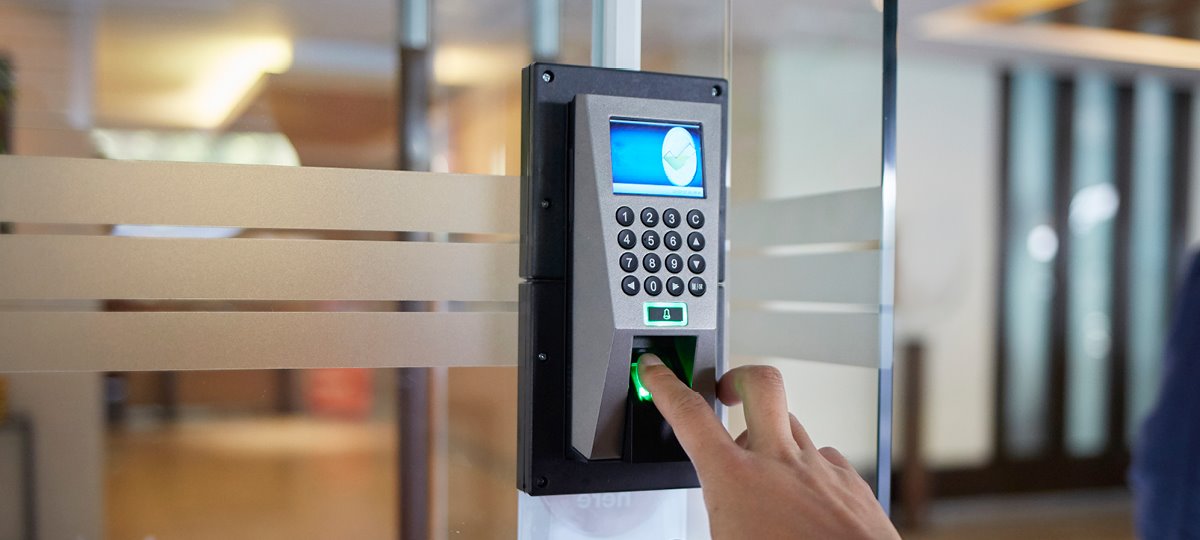
Can Your CCTV and Access Control Systems be Integrated?
When setting up security for your business, you might consider adding CCTV and access control systems. These two security measures work great to deter crime on their own, and provide even greater security when integrated. This pairing has many advantages, but it is also a complex setup that may not be right for you. There…

Items Burglars Want Most
Burglars move quickly. Because they tend to spend as little as ten minutes inside a home or business, several big-ticket items tend to fall prey to thieves. While some items on our list come to mind instantly, some may be more subtle. Outside of installing a security system, taking extra steps to secure your items…

Will CCTV Work Without Internet?
Closed-circuit television (CCTV) is a TV system where the signal isn’t publicly broadcast but is watched and monitored, usually for surveillance and security purposes. From city streets and highways to retail stores and banks, CCTV cameras are placed in most places to protect property and deter crime. Learn whether a commercial CCTV system can work…

The Safest Neighborhoods in Detroit
Low-Crime Neighborhoods of Detroit SafeWise released its rankings of Michigan’s 20 Safest Cities of 2021. On the 2021 list, 9 of the 20 cities are considered suburbs of Detroit. They include: Gross Ile Township #3 Oakland Township #4 Huntington Woods #9 South Lyon #13 Addison Township #16 Highland Township #17 Rochester #18 Berkley #19 Brandon Township…
Holiday Security Tips
It’s a beautiful time of the year, but the holidays come with some inherent risks that you should prepare for amidst all the gift buying, cooking, and decorating. Here are some of our top holiday safety tips to keep your home and loved ones safe over the season. Theft and Burglary Prevention Do not put…
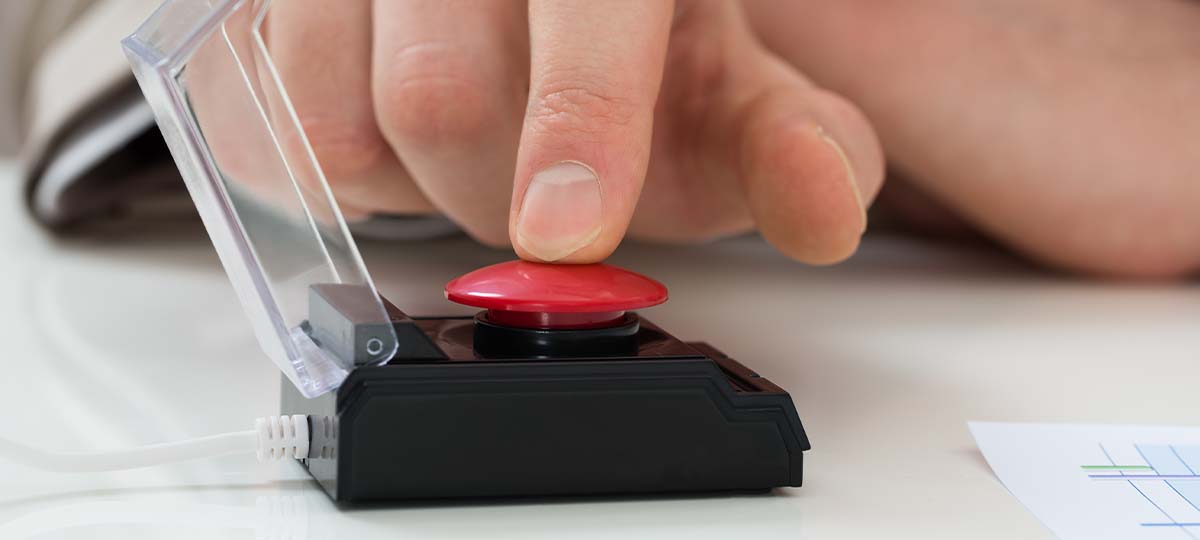
Should My Business Have a Panic Button?
What Exactly is a Panic Button? As the name implies, a panic button is a button or switch that an individual activates when there is an emergency that needs immediate attention. Panic buttons are often hidden from plain sight so they can be activated subtly or in secret by the correct individuals. How Does a…

3 Ways Security Contracts Help You
Are Contracts Required with All Security Companies? No. Not all security companies require a contract, but that doesn’t necessarily mean a no-contract company is a better option. There are pros and cons to contracts. The key is to know what you are paying for in a contract and details about the reputation of the company….