How Video Doorbells Work
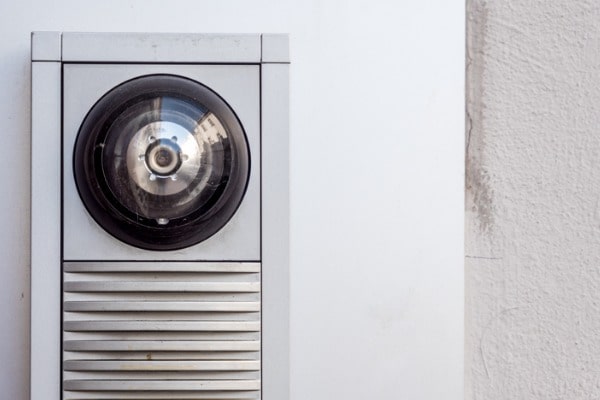
A video doorbell is a system that allows you to see who is ringing your doorbell by way of a video connection. If your video doorbell has a two-way audio system, you also can talk to the person at the front door, whether you’re home or not. How you connect your system and how you access it depends on you.
Why would I want a video doorbell?
- If your home is large, you may need to purchase multiple extenders to relay the signal further
- There is a chance of interference from other devices running on the same frequency. However, many video doorbells offer multi-channel operation features to help avoid this issue
- You will need to change the battery on your wireless doorbell, and perhaps your receivers
Why would I want a video doorbell?
There are many reasons people want a video doorbell. For some, it’s like caller ID for the front door. They want to see who is there before deciding whether or not they’ll answer the door.
For others, it’s for security, so they have a video recording of everyone who has approached or rang their front door. Also, visitors won’t realize you are not at home if you can speak to them through the two-way audio system.
Some people like a video doorbell system for package delivery, giving them the ability to verify a package arrived and tell the delivery driver where to place a package when they are not home.
Wired vs. Wireless
A video doorbell system is installed in one of two ways: either by hardwiring the doorbell into your home’s electrical system or choosing a wireless video doorbell.
A hardwired video doorbell often can be set up using the wiring for your current doorbell and adding a new doorbell button and indoor speaker. If you live in an apartment building or rented property, you probably cannot install a wired video doorbell system without written permission from your landlord, but you can install a wireless video doorbell system.
A wireless system uses radio waves to connect the outdoor doorbell button to the receiver or speaker inside the house, so physical electrical wiring isn’t necessary.
Pros of a Hardwired Video Doorbell
- More designer choices in doorbells to match your home’s décor
- There are no batteries to worry about – your doorbell always has power, as long as the electricity is on because it is hard-wired into your electrical system
- There are no issues with interference from your neighbor’s wireless devices operating on the same frequency/channel as yours
- Consistency and reliability of operation
Cons of a Hardwired Video Doorbell
- You will have to drill holes, and you need to have some wiring knowledge, or you will need to have professional installation
- If you rent your residence, you may not be allowed to install
Pros of a Wireless Video Doorbell
- There is no need to drill holes in your house for installation
- It’s simple to move
- Wireless doorbells are affordable and feature-rich, such as the ability to have your doorbell chime play up to 50 different tones, depending on the season or the location of the door
- A wireless doorbell can be synced with other home automation systems (be sure to check the compatibility carefully before purchasing a video doorbell, not all systems are compatible)
Cons of a Wireless Video Doorbell
- If your home is large, you may need to purchase multiple extenders to relay the signal further
- There is a chance of interference from other devices running on the same frequency. However many video doorbells offer multi-channel operation features to help avoid this issue
- You will need to change the battery on your wireless doorbell, and perhaps your receivers

Video Doorbell Features
Once you’ve decided on the basic type of system you want to use, you can start the fun part of comparing all the different features available in video doorbell systems. Some of the most important things to look for in a video doorbell are:
- Camera resolution – The higher the resolution, the better quality video you get, and that will give you the ability to distinguish facial features. Ideally, look for a 1080p camera.
- App reliability – You log in to an app on your phone to watch the video of the person at your front door or to converse with them on the two-way speaker system. Make sure you purchase an app that is known for reliability and customer service.
- Night vision – If you want the camera to be able to see who is at the front door, even if the porch light isn’t on, make sure your camera has night vision.
- Field of vision – This is how wide of an angle your camera can monitor. Can it see your entire front porch or just the area directly in front of your door? If you want the best results, look for the widest field of vision available.
- Two-way speaker system – If you want to be able to speak to the person at the front door, as well as see them, you will need to make sure your system has a two-way speaker.
- Motion detection – Some people want their system to alert them that someone is at the door (and possibly start recording video) even if that person hasn’t run the bell. Motion detectors provide this feature.
- Real-time or recorded video – Not all video doorbells allow you to see the video in real-time, although most do. How frequently your camera records video is another consideration? Does it only start recording when someone presses the doorbell? When it senses motion? At what frequency does the system record over previously recorded footage? Do you want a system that gives you a continuous recording so you can see all events that happen around your door during the day?
- Video storage – Depending on how much video you record, you will have to store it somewhere. It may be in the cloud, which will involve a monthly fee for storage or on a local storage device, such as a microSD card in your camera or a digital recording device.
There’s a lot to consider when it comes to purchasing a video doorbell, but once you have it, you’ll probably wonder how you ever lived without it.
Explore Our Other Blogs

Ins and Outs of Contract vs No Contract Security Systems
Many people see signing a long-term contract with a reputable alarm company as a stressful experience. In truth, contracts are in place to benefit both the alarm company and the homeowner. Developing a relationship and signing a long-term commitment to a security company allows you to get to know a team and benefit from the peace of mind that…
What are the Best Outdoor Security Cameras?
Outdoor security cameras do more than record what happens around a property—they help you see clearly, respond faster, and document events when you need answers. Whether you’re protecting your home’s front porch and driveway or monitoring your company’s parking lot, loading dock, or perimeter gate, the “best” outdoor security camera is the one that fits…
Holiday Safety Tips for Homes and Businesses
With the holiday season right around the corner, burglars are on the lookout for unguarded homes or businesses to prey on. Unlike the Grinch, holiday robbers don’t often have a heart that grows three sizes, making it more important than ever to protect your valuables and your loved ones. Our security experts have come up…

Types of Fire Suppression Systems
Fire suppression is one of the most important layers in a commercial building’s life safety plan because it is designed to control a hazard early, often before conditions spread beyond the point where occupants or staff can safely intervene. That matters for more than just damage control—it affects potential interruptions, compliance issues, and emergency performance….
What is an Emergency Action Plan?
The purpose of an Emergency Action Plan is to inform employees of what actions they should take if an emergency occurs at work. It’s required by the Occupational Safety and Health Administration (OSHA), and it can be critical in preventing the loss of property, or lives, in a crisis. If an emergency alarm went off…

Has My Home Security System Been Hacked?
With more DIY security systems than ever available with the touch of a button, families around the world are choosing to protect their homes with easy to install cameras and alarms. The expert team at FSS Technologies aims to help homeowners make the right choice for their families when selecting a home security system. A…
Dome vs. Bullet Cameras: Key Differences
Security cameras are an integral part of a security system in any home or business. They give you access to a video stream of what is happening inside a building or on your property while also giving the owner the ability to look back on footage if necessary. There are many different types of CCTV cameras out…
Why Emergency and Exit Lighting Matter
Emergency lighting and exit lighting are vital components of life safety systems. They’re a standard part of any commercial structure and not as noticeable on a normal day. When power fails or a disaster happens, these lights guide people to safety, helping prevent panic and ensuring clear evacuation routes for everyone in a building. Whether…
How Do Residential Fire Sprinklers Work?
Residential units are essential pieces of many commercial and mixed-use developments. Whether you’re building townhomes, low-rise apartment complexes, or single-family dwellings, fire protection requirements extend beyond nearby commercial spaces. Builders and general contractors must understand how residential fire sprinkler systems work, how they differ from commercial systems, and which codes apply to different projects. While…

Why Cheaper Isn’t Better When It Comes to Security
What is DIY Security? The development of home security technology using wireless transmission connections and battery power has made it possible for DIY options to enter the home security market. One of the biggest misconceptions about DIY home security is that it is so easy that a person with absolutely zero background on audiovisual equipment…