How Often Should You Check Your Smoke Detectors?
Fire Alarm Testing
Whether your fire alarm is protecting your home or a commercial facility, regular testing of your fire alarm system is critical to ensure it is working correctly. This test guarantees that everyone occupying the home or office understands what to do when the fire alarm sounds, gives you a chance to check the batteries and equipment, and confirms you are meeting local safety standards.
Residential Fire Alarm Testing
The National Fire Protection Association (NFPA) recommends that homeowners test their smoke alarms at least once a month using the test button. This is the case for both battery-powered and hard-wired smoke alarms.
It’s essential to follow the manufacturer’s instructions for keeping smoke alarms clean and maintained so they work correctly. Sensors that collect dust or become water damaged will be less effective and can be a danger to your home.
Smoke alarm batteries should be replaced every year unless the battery chirps – then the battery should be replaced right away. Smoke alarms should be replaced entirely every ten years.
In addition to checking your equipment and batteries, you should do yearly assessments of your family’s emergency readiness. Fire safety for kids is important because it will help your children respond in a careful, practiced manner and allow everyone to get out without harm. Home fire safety practice can be as simple as having discussions at the dinner table about what to do in the case of a fire or teaching your kids how to get help if they should ever need it.
Commercial Fire Alarm Testing
Fire alarm testing requirements for business owners will be determined by the Authority Having Jurisdiction (AHJ) in the area where your business is located. The AHJ is the organization, office, or individual responsible for enforcing fire codes in your area.
The AHJ may be the county, it may be the city, and it may be an engineer. There can be many differences between AHJs in how they enforce codes and what codes are applied, so testing requirements for your fire alarm system must be set and verified by them.
Most jurisdictions set their testing requirements following the codes and standards set by the NFPA – NFPA 72: National Fire Alarm and Signaling Code®.
You will most likely be required to test your fire alarm system yearly. However, you may be required to check more frequently depending on the type of business you run and where it is located.
You also will likely be required to have visual inspections done for all your fire alarm components. Again, these inspections may be necessary only annually, or however often your AHJ has determined appropriate.
Fire Drills in the Workplace
It is important to train your employees in your building on proper fire alarm response and the steps to take in case of a workplace emergency. Creating an Emergency Action Plan and keeping all of your employees trained will allow everyone to feel confident and exit the building safely, should a fire begin.
Emergency Action Plans are an OSHA requirement for workplaces with more than ten employees.
Involving your staff in annual fire inspections is also a great time to refresh everyone on emergency procedures and evacuation steps.
Who can Test a Fire Alarm?
Fire alarm testers must be certified by the National Institute for Certification in Engineering Technologies (NICET) or licensed by the state.
At FSS Technologies, our fire alarm system designers and installers are NICET certified. We understand the nuances of installing, testing, and inspecting fire alarms in our local jurisdictions. Contact us for a free consultation.
Explore Our Other Blogs
Most Common Causes of House Fires
A house fire can be a life-altering event that some may never fully recover from. The best way to protect your home and family from a fire is to educate yourself about the risks and how to prevent them. We all know the essential forms of prevention and protection, like smoke detectors, fire extinguishers, sprinklers,…
Commercial Fire Extinguisher Compliance Guide
Fire extinguishers are one of the most visible fire protection tools in a building, and they’re often the first line of defense when a fire starts. But having extinguishers installed throughout a structure is only part of the equation. If a unit is blocked, missing a safety pin, damaged, partially discharged, or overdue for servicing,…
Security Cameras Are Not Created Equal
The Difference in Security Cameras Cameras are one of the most critical components in your security arsenal, and not all security cameras are the same. Why you ask? Consider these differences: Various types and sizes of cameras Indoor vs. outdoor cameras Cameras that are easy to camouflage Cameras that provide high-quality video footage Wired cameras vs. wireless…

Alarm Monitoring Services: How They Work
An ear-piercing siren and flashing strobe lights create an immediate sense of emergency and indicate an alarm of some sort has been triggered. Now that the alarm has been triggered and the warning sirens have sounded, what happens next? If you have a monitored security system, it won’t just be the neighbors or passerby alerted to…
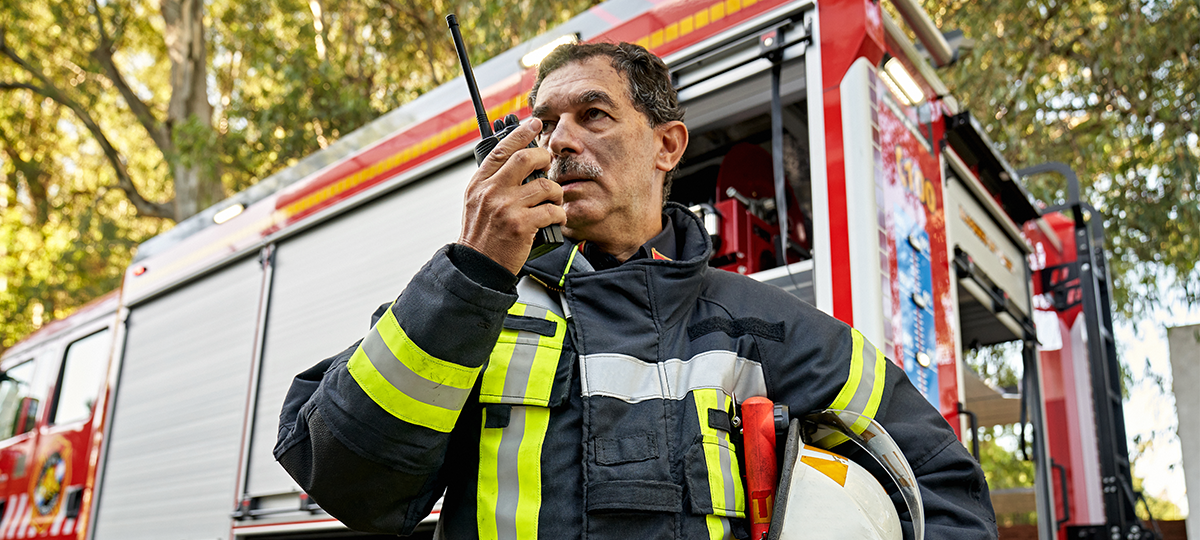
What are BDA Systems?
As technology continues to evolve and building codes grow more stringent, bi-directional amplifier (BDA) systems are no longer just a luxury—they’re a critical component in ensuring your building’s safety and compliance. Whether you’re a property owner, facilities manager, or contractor, understanding BDA systems is essential, and choosing the right partner for installation makes all the difference….
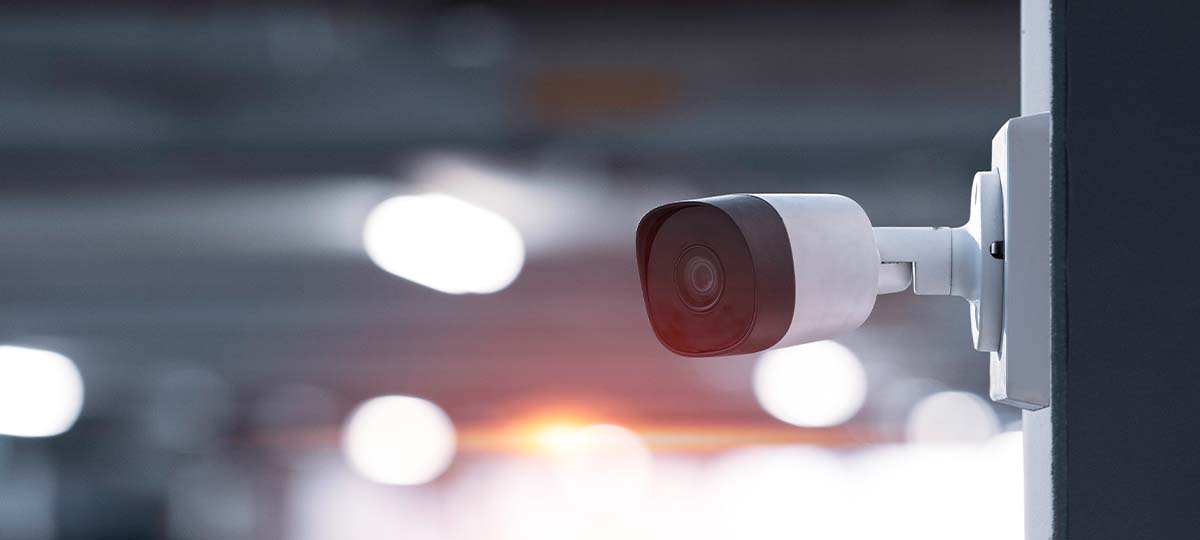
Wired vs. Wireless Security Cameras
Wired or Wireless? When we talk about wired versus wireless in-home security, it has little to do with whether a piece of equipment has physical wires attached to it. The terms wired and wireless refer to the communication signal that is transmitted from one piece of security equipment to another. For a security system to…

What is Video Alarm Verification?
Video alarm verification is a tried-and-true technology that is an underused component in residential and commercial security systems. Video alarm verification adds an extra element to your overall security by partnering your security system with an alarm monitoring center. When an alarm is triggered, video alarm verification allows monitoring center employees to view the situation…

How to Conduct a Physical Security Audit
Protecting your livelihood is at the top of every business owner’s mind, but how do you know if your business is truly protected? By performing a physical security audit, you can fully assess any threats that your business might be subject to and take the necessary steps to mitigate those threats. During a physical security audit, each aspect of the business and its security…

What Do Villages Require to Add a Security System?
What Is a Village? A village in the United States is defined as a small municipality with limited corporate powers. A village government usually consists of a village board made up of trustees and a village president. Village Building Codes Have Minimum Requirements Every village adopts its own building codes to establish minimum requirements for…
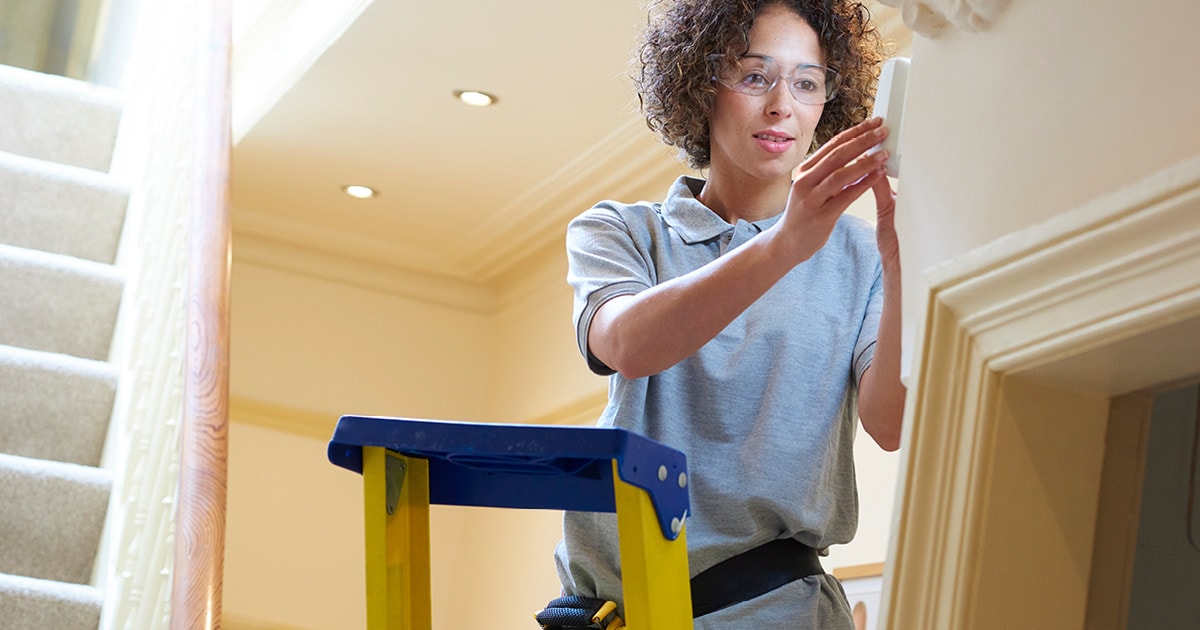
Spring Cleaning Your Security System
The unofficial countdown to summer begins for many of us each year as we “spring forward” into daylight saving time, moving the clock forward one hour to give us an extra hour of sunlight at the end of every day. Since this is the time of the year when we change our clocks, it is important…